
The long (Pride) March: A commitment and a responsibility
By Elton Lugay
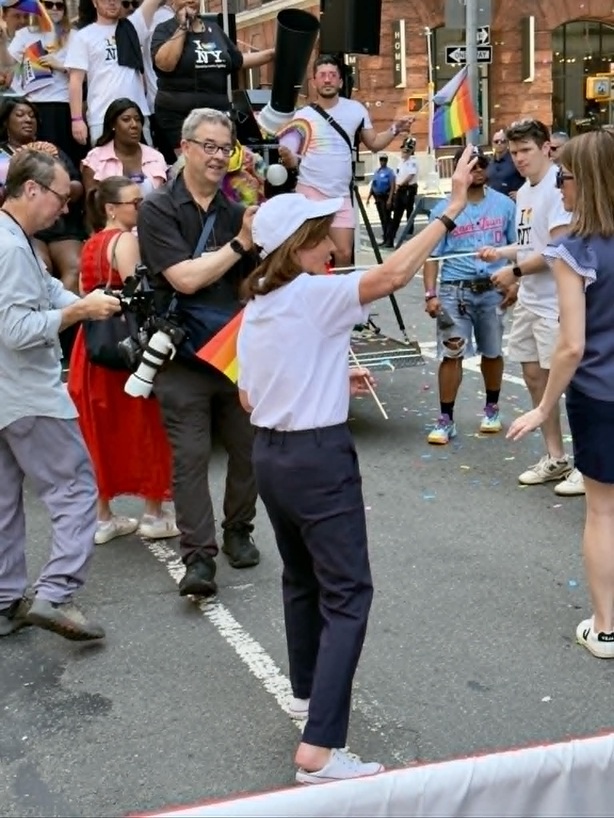
Gov. Kathy Hochul’s white Converse were already showing the strain by the time me and my friends reached Greenwich Village, the back of her right sneaker folded down as she powered through block after block of the NYC Pride March.
It was a small detail amid the rainbow spectacle, but for me it captured the spirit of a day when New Yorkers decided, again, to show up for a community under sustained political attack.
This year was my first time marching the full Pride route in nearly two decades of living in New York. I’ve long been part of Pride through TOFA (the organization I founded and direct) sending singers, helping behind the scenes, supporting LGBTQ+ community members and allies. I was happy just documenting and cheering on the sidelines.
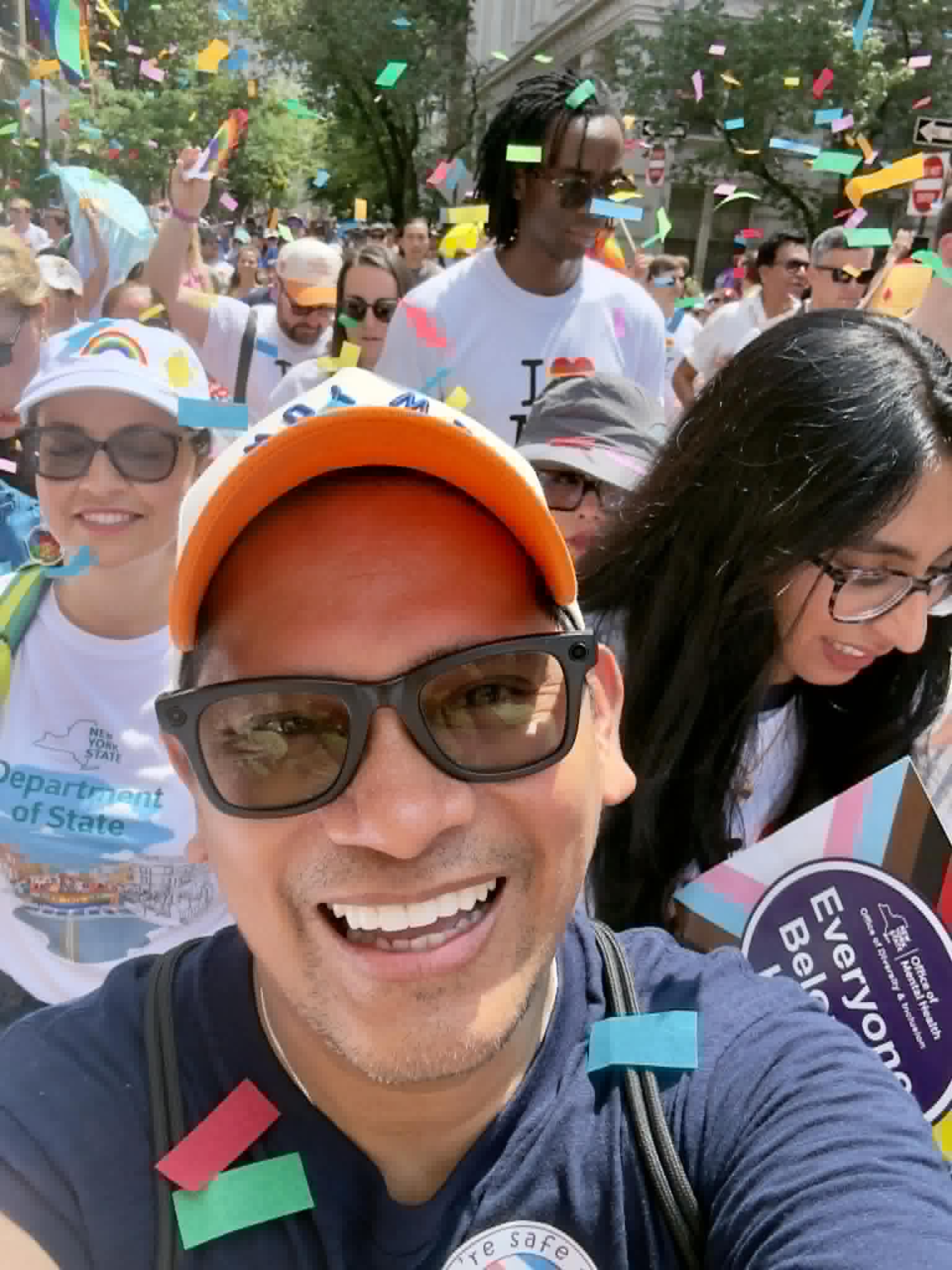
Stepping off on Fifth Avenue with our group, including my best friend Rasmin Diaz, felt like watching history moving on the street. I needed to walk with it. The march stretched roughly 1.8 miles, more than 30 Manhattan blocks from 26th St. and Fifth Ave. to Seventh Ave. and 15th St. marching, it felt like your legs and feet are reminding you this is a commitment, not a stroll.
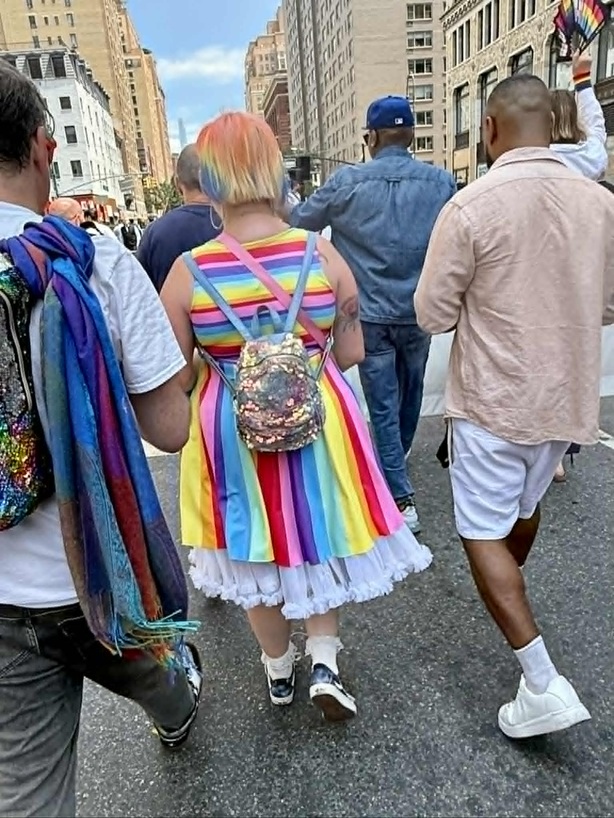
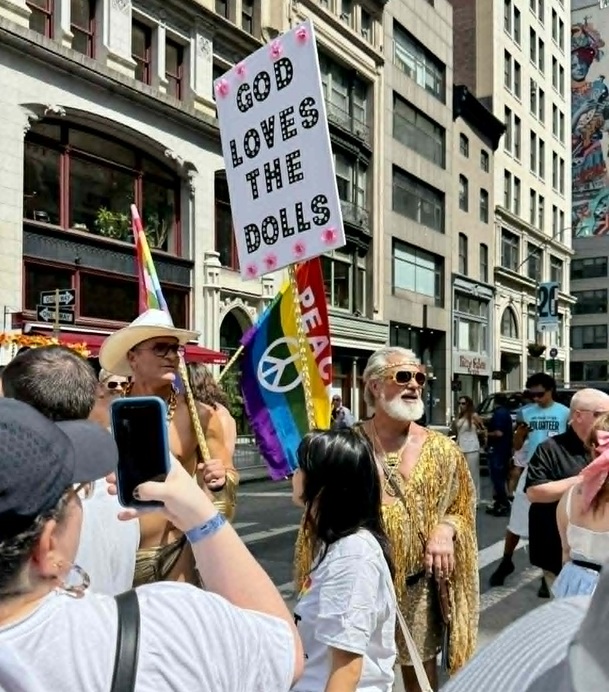
At first the sidewalks looked thinner than in past years, but as we advanced, the crowds thickened, the sound of drums and whistles grew louder, and rainbow flags fluttered on balconies and lampposts. It’s the moving forward together that mattered. Pride is often described as a celebration, and the joy is real. People danced on stoops, kids waved tiny flags, strangers shouted “Happy Pride!” to everyone.
But because Pride began as protest (beginning with the 1969 Stonewall uprising and the first Christopher Street Liberation Day March) it also carries a responsibility. It asks us to remember why LGBTQ+ New Yorkers needed to fight for the simple right to exist without fear, and why that fight is far from over.
Hochul, dressed in those Converse without socks and a simple white outfit, could have chosen to deliver a quick speech and leave. Instead, she stayed in the line, stopping regularly to greet spectators, clasp hands and pose for quick photos. As someone who has just won the Democratic primary and is heading into a reelection campaign, she understands the optics of being seen at Pride.
But watching her walk the route, pause at Stonewall Plaza to shake hands and dance briefly to “YMCA,” and then hug her husband at the end of the march, I saw more than a photo op. I saw a governor signaling that when LGBTQ+ rights are in danger nationally, New York will stand its ground.
Since the Supreme Court legalized same-sex marriage in 2015, many Americans have assumed the major battles are behind us. Not quite. Federal attacks on transgender rights, attempts to roll back protections in health care and education, and efforts to strip support from LGBTQ+ youth programs are continuing. You just need to listen to trans and queer New Yorkers constantly worrying about whether the law will recognize who they are.
My friend Rasmin did not need a parade to prove her allyship. For years she’s volunteered behind the scenes at Pride and singing at LGBTQ+ events. Marching beside her, I realized how much I lean on people like her — straight allies who treat LGBTQ+ advocacy not as a seasonal past-time but as a long-term commitment.
Pride has been part of New York’s calendar for generations. Governors, mayors and celebrities come and go. The floats change; the slogans continue to scream. But it endures because of how we vote, organize, and show up for one another whenever our support is called for.
 March: A commitment and a responsibility)