
Independence is not just a date on the calendar
By Ricky Rillera
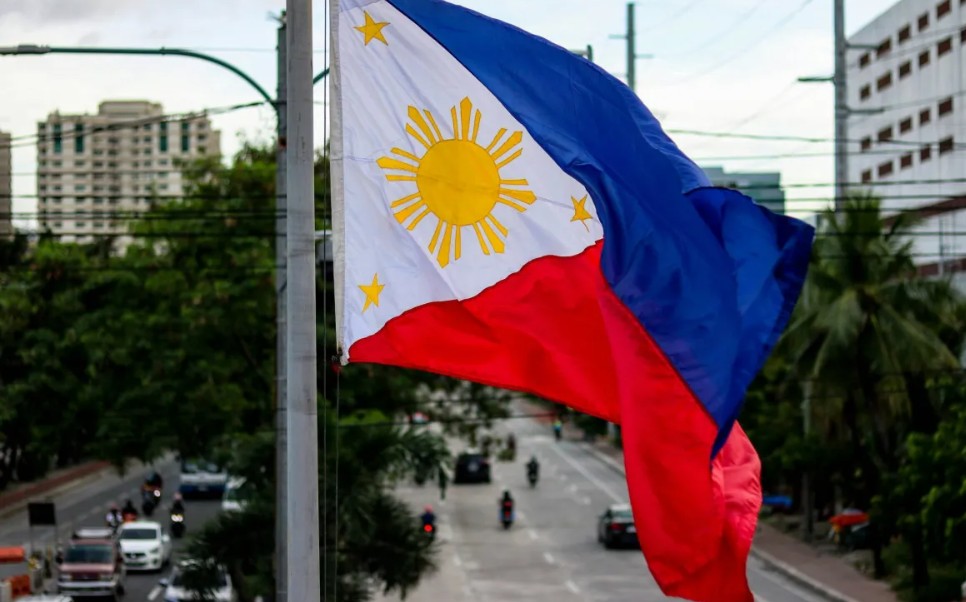
Every June 12, the Philippines raises its flag, sings its anthems, and commemorates the day in 1898 when General Emilio Aguinaldo declared independence from Spain in Kawit, Cavite.
It was a bold proclamation—aspirational, defiant, and rooted in the belief that a people long denied dignity could finally claim their place among free nations.
But the truth is more complicated. That declaration was followed not by peace, but by the Philippine‑American War, the imposition of U.S. colonial rule, the Japanese occupation, and decades of struggle before the country finally achieved full sovereignty in 1946. Independence, in the Philippine experience, has never been a single moment. It has been a long, uneven journey—one marked by courage, sacrifice, and painful contradictions.
A nation tested
If the early decades of nationhood were shaped by the challenge of building institutions, the later decades were defined by the challenge of surviving those who sought to dismantle them.
The Martial Law era under Ferdinand Marcos Sr. remains one of the darkest chapters in Philippine history. Thousands were jailed, tortured, or disappeared; billions were plundered; and democratic institutions were hollowed out. The country emerged from that period battered—economically, politically, and morally.
The decades that followed brought new hope, but also new disappointments. Corruption scandals toppled governments, eroded public trust, and deepened cynicism. The promise of People Power—of a nation united in moral clarity—was too often replaced by the familiar patterns of patronage and self‑interest.
The shadow of impunity
In recent years, the Philippines again confronted a painful reckoning. The extrajudicial killings during the Duterte administration’s war on drugs left thousands dead, many of them poor, nameless, and voiceless. Human rights groups, church leaders, and international observers documented patterns of abuse and impunity. Families continue to seek justice, and the country continues to grapple with the moral cost of a campaign that promised order but delivered fear.
Independence means freedom from foreign domination but it also means freedom from the terror inflicted by one’s own government. A nation cannot call itself fully free when its most vulnerable citizens live in fear of those sworn to protect them.
A government at war with itself
Today, the Philippines faces a different kind of crisis: a political class more consumed by infighting, power struggles, and personal ambition than by the urgent needs of the people. Legislative sessions devolve into factional battles. Leadership coups dominate headlines. Lawmakers trade accusations while critical reforms languish. This is not the democracy envisioned in 1898. Nor is it the democracy reclaimed in 1986. A government at war with itself cannot lead a nation forward.
And yet, the Philippines is not without progress. The economy has grown steadily in recent years, driven by a young workforce, a resilient services sector, and the unrelenting contributions of overseas Filipino workers. The country has strengthened ties with regional partners, expanded its diplomatic engagements, and asserted its rights in the West Philippine Sea with increasing clarity.
Filipinos continue to excel globally—in technology, the arts, medicine, sports, and public service. The diaspora remains one of the country’s greatest sources of strength, carrying the flag into every corner of the world.
These achievements matter. They show what the nation can accomplish when its people—not its politicians—take the lead.
Not fully free
But progress does not erase the hard truth: the Philippines cannot yet claim to be fully free.
Not while political dynasties dominate local and national power, shutting out new voices and perpetuating inequality.
Not while corruption siphons resources meant for schools, hospitals, infrastructure, and social services.
Not while millions remain trapped in poverty, forced to leave the country to survive, or to accept that opportunity is a privilege reserved for the few.
Not while justice is uneven, accountability is selective, and public office is treated as an inheritance rather than a responsibility.
Independence is not merely the absence of colonizers. It is the presence of dignity, justice, and opportunity for all.
The meaning of June 12
As the Philippines marks another Independence Day, the question is not whether the country is sovereign. It is whether the country is living up to the promise of that sovereignty.
June 12 should not be a ritual of nostalgia. It should be a reminder—a challenge—to build a nation worthy of the sacrifices that made independence possible.
A nation where leaders serve, not rule.
Where institutions protect, not oppress.
Where opportunity is shared, not hoarded.
Where freedom is lived, not merely declared.
The work of independence did not end in 1898. It continues today, in every community, every election, every act of courage, and every demand for accountability.
The Philippines will be truly free only when its people are. – Philippine Daily Mirror
