
Dramatis personae: The characters in our community
By Ricky Rillera
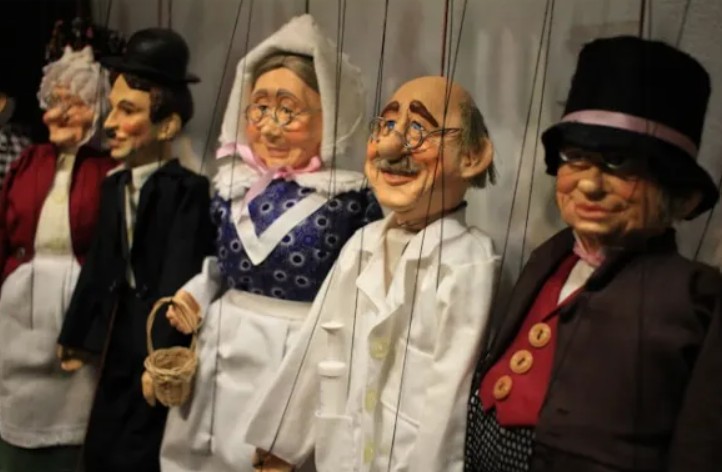
Communities are built on shared goals, collective memory, and the quiet labor of people who show up. Yet beneath the surface of every meeting, event, or initiative lies a cast of personalities who animate the civic stage.
They are not villains or heroes — simply recurring archetypes whose quirks shape the rhythm of community life. Their behaviors, amusing or exasperating, remind us that community can be performance, ego, aspiration, and human nature. These are characters who dominate conversations, redirect attention, or quietly stir the pot. They appear in every organization, every circle.
This article sketches several of these familiar figures, not to shame, but to illuminate. In naming the cast, we better understand the dynamics that influence our shared spaces.
The Gatekeeper of Important People
A recognizable figure is the self-declared custodian of influential names. These are individuals who speak of officials, leaders, and dignitaries with casual familiarity, implying proximity to power. Conversations often begin with, “I heard this directly from…” or “If you want access, you go through me.”
The Gatekeeper thrives on the performance of influence. He/she is part storyteller, part social climber, part hopeful participant in a world they yearn to enter.
The Pretender of Political Relevance
This archetype speaks as though woven into the fabric of political strategy. They drop names, reference meetings they were never invited to, and position themselves as leaders without articulating a vision. Their influence exists mostly in photographs — snapshots with public figures who do not know them or politely tolerate their presence.
Their voice is loud, their claims sweeping, their certainty unearned. They are the embodiment of performative engagement: present everywhere, contributing nowhere, yet always ready for the next photo opportunity.
The Oracle of Absolute Certainty
Every community has someone who believes they are the resident intellectual lighthouse. This person speaks with unwavering conviction, presenting ideas as final truths rather than contributions. Dialogue becomes monologue; collaboration becomes a lecture. Their certainty is their armor, and their authority — self-appointed — is their crown.
When others speak, the Oracle listens only long enough to prepare a rebuttal. Meetings become arenas where their brilliance must be acknowledged, their opinions validated, and their conclusions accepted without question. They are predictable, occasionally useful, and often exhausting.

The Peacock of Public Events
This personality arrives at community gatherings dressed as though stepping onto a runway. The attire is extravagant, the accessories loud, the presence unmistakable. The Peacock is not there to participate; they are there to be seen.
Conversations are shallow, insights minimal, motivations transparent. People whisper that the performance is pretentious or misguided, but the desire behind it is universal: to be valued, noticed, affirmed. The Peacock is not harmful, not helpful, but undeniably memorable. Their presence adds color to the community — sometimes comic, sometimes distracting.
The Smooth-Talking Opportunist
There are individuals whose charm is polished and persuasive. They invite others to invest in promising ventures, always with the assurance of success. Their words are convincing, their demeanor confident, their pitch irresistible.
But once commitments are made, updates fade. Reports arrive late, vague, or with excuses. The losses are explained away, and accountability is avoided. The Opportunist’s talent lies not in managing investments but in securing personal gain through charisma.
The Title-Bearer of Eternal Credentials
Some personalities enter the community stage not as individuals but as résumés. Every introduction is accompanied by a string of professional titles, certifications, and distinctions — each one recited with ceremonial precision. The Title-Bearer insists on being addressed by their formal designation, gently correcting anyone who forgets or shortens it.
Their expertise may be real, but the insistence on recognition overshadows the substance of their ideas. They believe titles confer authority, and authority ensures relevance. The performance is not malicious; it is protective — a shield against invisibility in a crowded civic landscape. Communities learn to navigate this personality with patience.
The Whisper Merchant of Rumors
Every community has a figure who possesses an endless supply of stories — half-truths, overheard fragments, and imaginative leaps presented as breaking news. Their confidential revelations always begin with, “You didn’t hear this from me…” or “Someone told me this, okay…”
Accuracy is irrelevant; velocity is everything. The stories spread like wildfire, igniting reactions and distorting perceptions. Reputations suffer quietly, sometimes irreversibly. Yet the Whisper Merchant continues, fueled by the thrill of being the first to know and the first to tell. This archetype is both dangerous and strangely predictable.
The Laurels-Seeker of Perpetual Recognition
Another familiar figure is the person who treats awards and recognition as essential nutrients. This personality subtly — and sometimes not so subtly — suggests that their contributions deserve mention in the media, event programs, referrals, and public announcements.
The Laurels-Seeker thrives on visibility. They monitor community publications, track acknowledgments, and quietly resent omissions. Their pursuit of recognition is not always rooted in ego; sometimes it stems from insecurity, a fear that their efforts will fade into obscurity unless formally documented.
The Perpetual Complainer of Cyclical Grievances
Some personalities live in a constant state of perceived undervaluation. Every conversation carries a hint of disappointment, every interaction a subtle reminder that they feel overlooked. The Perpetual Complainer believes the community does not appreciate their contributions, and they make sure everyone knows it. They express their grievances with dramatic flair, often accompanied by vows to distance themselves from anyone who disagrees with them.
Yet the drama is short-lived. After a few days of silence, the same person is seen laughing, chatting, and reconnecting with the very individuals they swore never to speak to again. The Perpetual Complainer does not truly want separation — they want reassurance. And once they receive it, the storm clears until the next cloud forms.
The Backstage Betrayer of Fragile Friendships
Another figure is the personality who performs friendship convincingly — warm greetings, supportive words, shared stories — yet operates differently behind the curtain. The Backstage Betrayer presents themselves as an ally, but when tensions arise, they quietly rally others to distance themselves from the very person they once embraced. Their loyalty is conditional, shifting with convenience and social advantage.
This archetype is skilled at subtle influence. They do not openly attack; instead, they plant doubts, whisper concerns, and frame their withdrawal as “just being careful.” The betrayal is not loud — it is quiet, strategic, and deeply personal.

The Social Media Chronicler of Everyday Grandeur
Next is the personality of those who have transformed social media into a personal brand. Every meal, event, award, handshake, and new acquaintance becomes content. The Chronicler posts with relentless consistency — photos of food, snapshots of gatherings, certificates of achievement, selfies with public figures, and captions celebrating every minor milestone.
Their online presence is a curated narrative of success, activity, and social relevance. Beneath the constant posting lies a universal desire: to be seen, remembered, and affirmed.
The Rule-Breaking Leader of Selective Compliance
There is also the personality who eagerly takes the lead — volunteering for roles, positioning themselves at the forefront of initiatives, and embracing the spotlight of responsibility. Yet when it comes to following established rules, procedures, or organizational protocols, this archetype operates on personal preference rather than collective agreement. They lead, but they do not comply.
The Rule-Breaking Leader believes their position grants them flexibility. They bypass processes, ignore guidelines, and justify deviations as “efficiency” or “initiative.” Their actions create confusion, undermine structure, and frustrate those who work hard to maintain order.
A Closing Reflection
If all these personalities sound familiar, it’s because they are. They appear in every community, every organization, every civic circle — sometimes loudly, sometimes quietly, sometimes in ways that make us laugh, sigh, or shake our heads. But here’s the gentle truth: these archetypes remind us that communities are made of people, not perfect characters. The community is big enough for every personality as long as we remember that the real work of community-building happens not in performance, but in collaboration.
This article was originally published in Philippine Daily Mirror.