
A descendant’s pride: How Jiji Shapiro keeps the legacy of Marcela Agoncillo alive
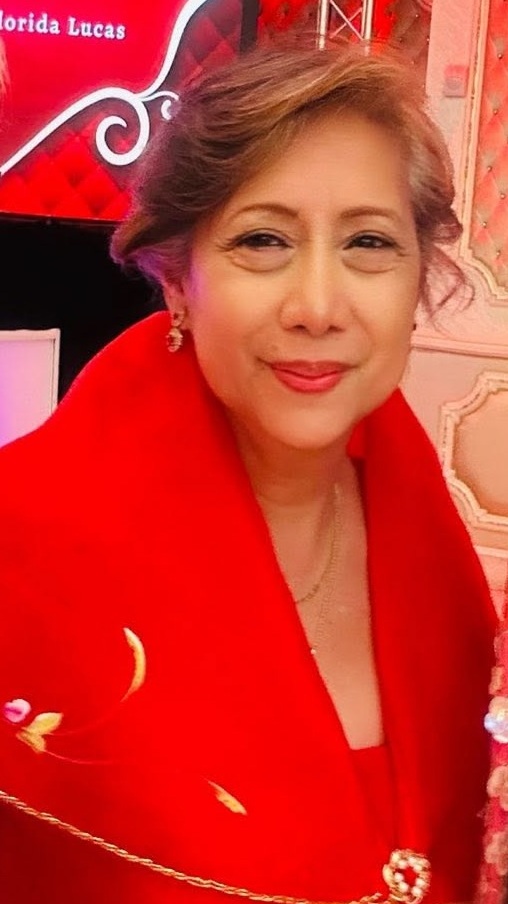
By Cristina DC Pastor
“Look, they’re wearing clothes!” Jiji Shapiro’s young son nudged his brother as they were browsing the family album.
Based on what her U.S.-born sons have read on the Internet, they had thought then that Filipinos lived on trees and wore nothing. On hearing the well-worn gossip, a shocked Ma. Jerona – Jiji to family and friends — a community leader from Long Island, decided to begin Philippine history lessons with her family including her American husband Robert Shapiro.
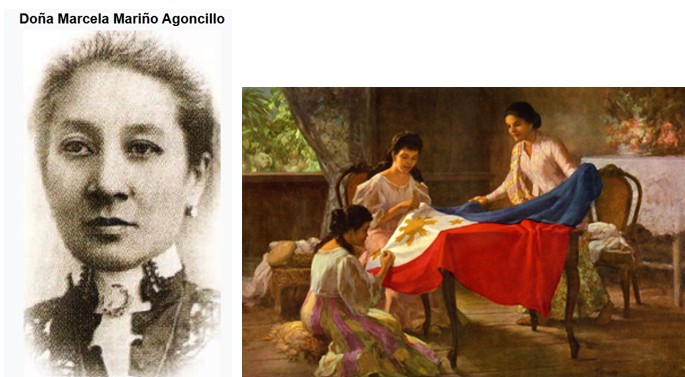
She started with the story of Marcela Mariño de Agoncillo, the woman who made the official flag of the Republic of the Philippines in 1898. The “Mother of the Philippine Flag” happens to be Jiji’s great-grand aunt. Jiji’s father is Ramiro Lualhati Buzeta who is the son of Ramon Mariño Buzeta who is related to Marcela.
(Knights of Rizal NY leader Ramesh Buzeta is Jiji’s brother.)
Marcela, together with two other women, made the flag based on the design of revolutionary general Emilio Aguinaldo. The red, white and blue were stitched in Hong Kong where Marcela and her husband diplomat Felipe Agoncillo found themselves in exile during the struggle for Philippine independence. According to history books, the flag was completed in five days and was unfurled for the first time in Cavite as Aguinaldo proclaimed the independence of Filipinos against Spain.
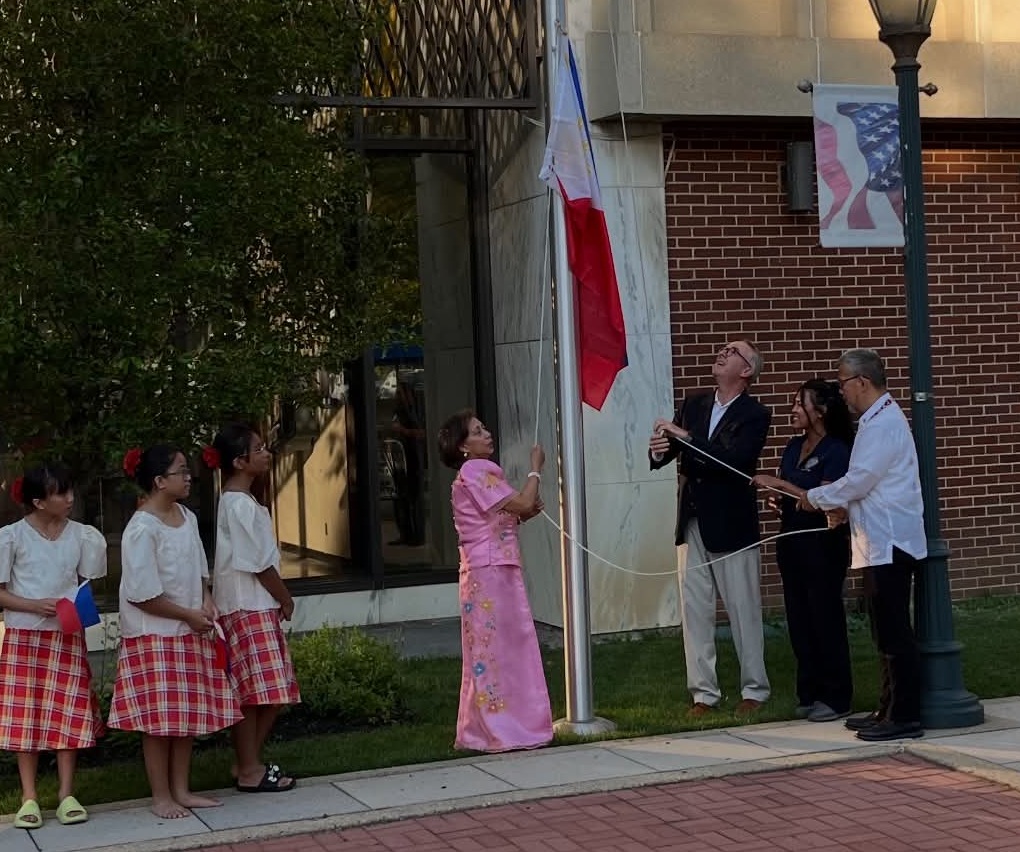
Today, whenever she sees the Philippine flag being raised, the emotion is unmistakable. “Pride and goosebumps,” Jiji said, feeling a personal connection to the woman who helped sew it.
Yet growing up, she knew very little about her celebrated ancestor.
“I don’t know her at all,” she told The FilAm in all candor. “I left the Philippines at a young age, and before that I would spend very little time in Taal during summer vacation.”
As a child visiting Taal, Batangas, she remembers being expected to pay respects to numerous relatives in the town. The Mariño family, originally from Taal and of Spanish ancestry, had deep roots in the community.
“We’re related to many people in the town of Taal and had to pay my respects to all every time I saw them,” she recalled. “So, like any child, I went through the motions without really getting to know them.”
Her father, however, left her with one important impression of Marcela.
“She was a very caring woman,” he would tell her. “What amazed me about her was her dedication to her country by the sacrifices she endured while in exile in Hong Kong, and her fighting spirit.”
It was only much later, as an adult, that she began to piece together the life and legacy of the woman she had known mostly through clan reunions and family chat groups.
“Now, as an adult, I’m very proud,” she said. “I wished I listened to my dad’s stories about the good old days in Taal.”
Keeping the family story alive
Her connection to Marcela is not simply a matter of genealogy. She has made an effort to ensure that the next generation understands what the family legacy means.
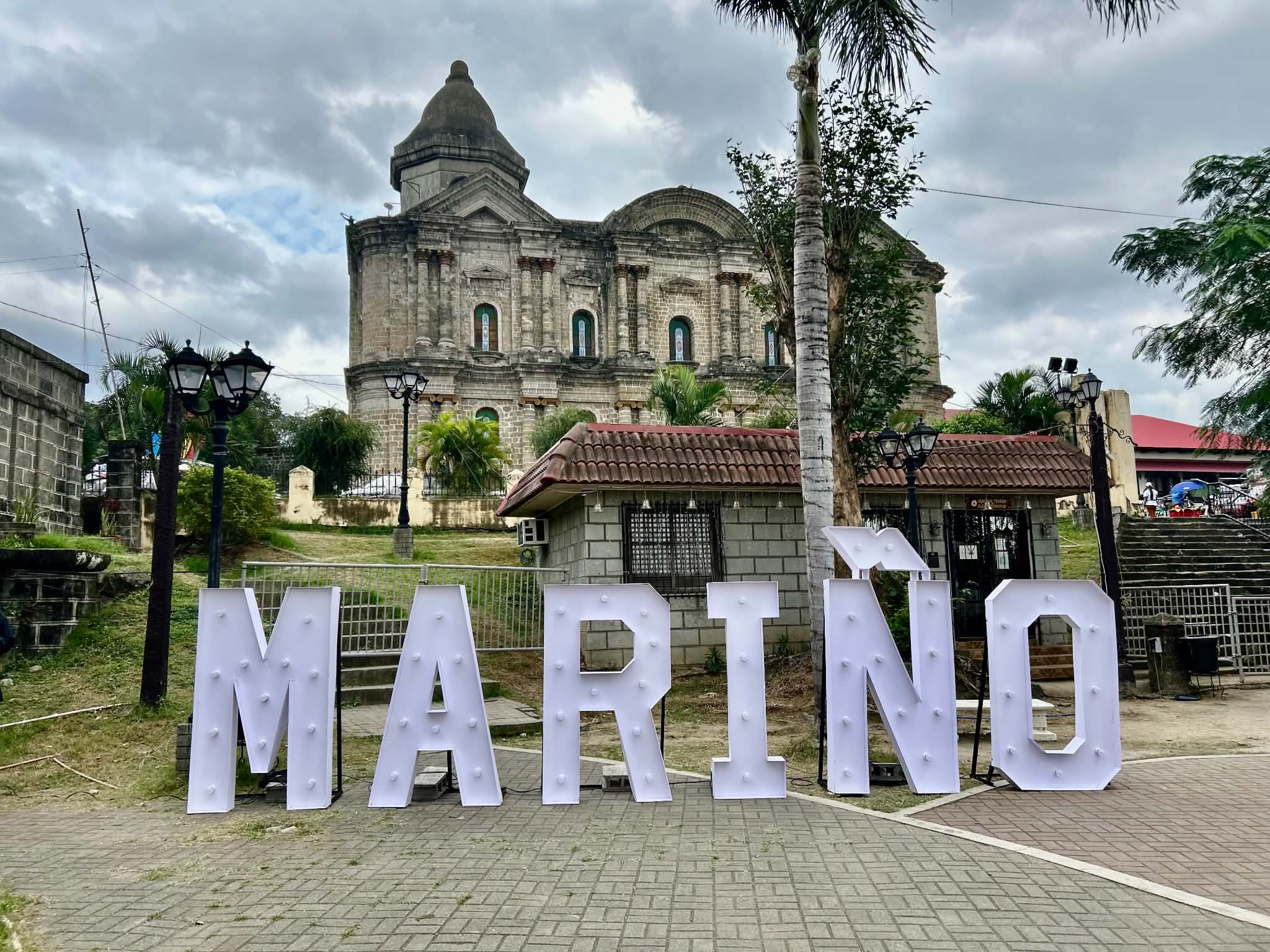
She has brought her sons to the Marcela Agoncillo Museum in Taal and showed them the place connected to their ancestral roots. And they are reminded in all humor of what they thought when they were kids about Filipinos not wearing clothes.
“Yes, they know,” she said of her children’s awareness that they are descendants of a hero flagmaker.
Her family’s roots, she pointed out, are firmly in Taal. She recently had an opportunity to reconnect with those roots when the clan held a family reunion there last February.
From Flushing to Long Island
Jiji’s own story is also one of migration, family, and service.
She followed her parents to New York in 1972, shortly before the declaration of martial law in the Philippines. She arrived with her six younger brothers, and the family settled in Flushing, where they were surrounded by many of her mother’s siblings and their families.
Both of her parents were accountants. She went on to graduate from the City College of New York in 1981 with a degree in Health and Hospital Administration and minors in Psychology and Biology.
She met her husband Robert in 1986, and they married the following year. Their first son was born in 1987, and their youngest in 1995. In 1996, she left her position at North Central Bronx Hospital to become a full-time homemaker, dedicating herself to raising her family.
Today, the couple are enjoying life as grandparents to two grandsons. “We’re now blessed with two grandsons, who are keeping us busy,” she said.
But family is only one part of her busy life. She has also remained deeply involved in Filipino American community organizations.
She served as immediate past president of Tanglaw, second vice president of PACEC, and one of the trustees of the Daughters of Mary Immaculate International/NY Chapter. She currently serves as president of Ladies for Rizal LI (LFRLI), while also participating in Asian American committees on Long Island that promote Philippine culture at festivals and community events.
Perhaps this is where her connection to Marcela Agoncillo feels most relevant. Jiji sees something deeper in Marcela’s legacy: courage, sacrifice, family and service to community.
