
Setback at the UN: Philippines misses Security Council seat
By Cristina DC Pastor
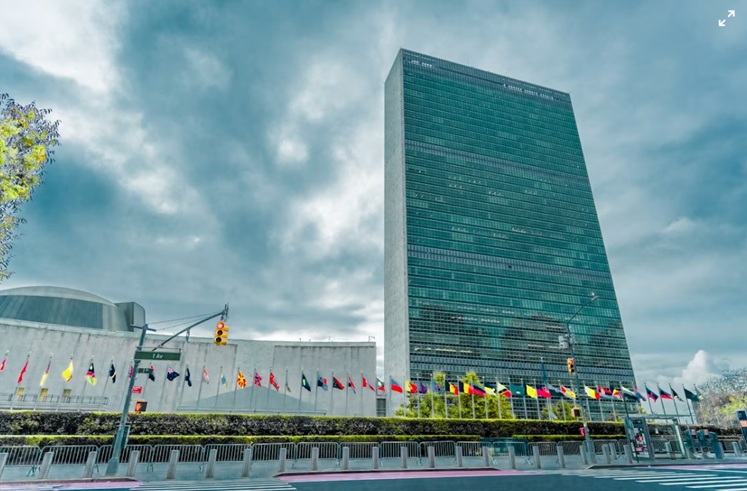
The Philippines lost its bid for a non-permanent seat on the UN Security Council for the 2027–2028 term. The slot went to the Central Asian nation of Kyrgyzstan after four rounds of voting at the United Nations General Assembly on June 4, 2026.
In the final round of voting, Kyrgyzstan garnered 142 votes—surpassing the required two-thirds majority—while the Philippines received only 49 votes. The result was a disappointing outcome for Manila, which had mounted an extensive diplomatic campaign led by no less than Philippine President Ferdinand Marcos Jr.
Joining Kyrgyzstan as newly elected non-permanent members of the Security Council for the 2027–2028 term are Zimbabwe, Austria, Portugal, and Trinidad and Tobago.
According to reports from the UN, the Philippines received only 85 votes in the first round—well below the 128 votes needed to secure the seat. Only 49 votes were reached in the fourth and final ballot.
The election prompted differing interpretations of the outcome.
In Manila, Malacañang suggested that domestic political controversies, including the recent turmoil in the Senate and what it described as obstructionist political actions, may have damaged the country’s image abroad and affected its chances in the voting.
Human rights advocates offered a different view. Several groups argued that the campaign faced skepticism because of concerns over the administration’s human rights record, pointing to reports of extrajudicial killings, corruption in public works projects, and disappearances of activists.
The Philippine Permanent Mission to the United Nations did not respond to requests for comments.
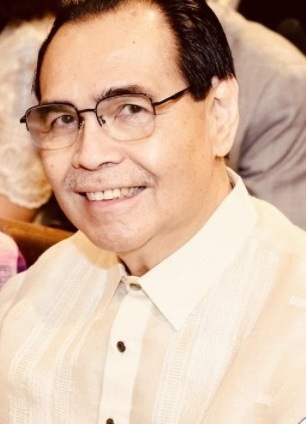
For former diplomat and United Nations adviser Mario de Leon Jr., however, the result reflects broader realities within a rapidly evolving global order.
“As a former diplomat and adviser to a UN-accredited NGO, I view this result as more than simply a vote for Kyrgyzstan,” he said. “It highlights broader dynamics in multilateral engagement within the United Nations. The General Assembly today reflects a multipolar international environment in which countries often take positions shaped by a range of strategic, economic, political, and normative considerations.”
He noted that while the Philippines has consistently advocated for a rules-based international order, member states often hold differing views on how those rules and norms should be interpreted and applied.
“The outcome is also a reminder that Manila’s strategic choices, viewed in the context of its regional security priorities, may influence perceptions and relationships within the broader UN arena,” he added.
De Leon suggested that the setback could serve as an opportunity for the Philippines to broaden its diplomatic outreach.
“Going forward, the Philippines may seek to expand its engagement with the Global South, alongside its existing security partnerships, as it works to build support across the wider international community,” he said.
Despite the loss, he said the Philippines remains an active participant in the United Nations and continues to play a role in discussions on international peace, security, and development. Diplomats note that unsuccessful Security Council bids are not uncommon and often serve as lessons for future campaigns.
