
Marissa Alcantara: When FilAm students forget their culture, there’s Tagalog to help them remember
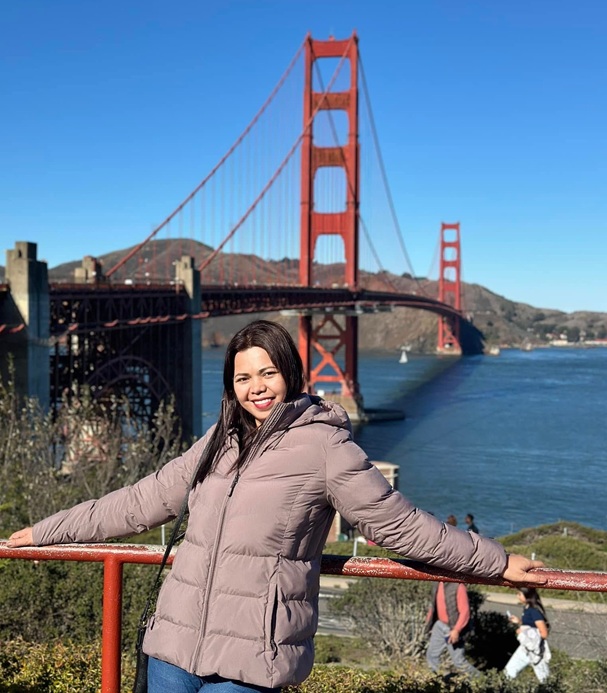
By Maricar CP Hampton
For today’s students, culture and tradition can sometimes feel distant or lost. Filipino Tagalog teacher Marissa Alcantara said she makes sure she integrates language, heritage, and interactive activities to connect Filipino American students with their roots.
“I try to bridge the gap by using the Filipino language and promote the culture because most of them are born here and they forget. So I want to emphasize that they should embrace the culture because they are still Filipinos.”
With Filipinos being one of the largest ethnic groups in the U.S., especially in California, it naturally creates a growing demand for the Filipino language. It also reflects the need for more multicultural education and heritage language programs.
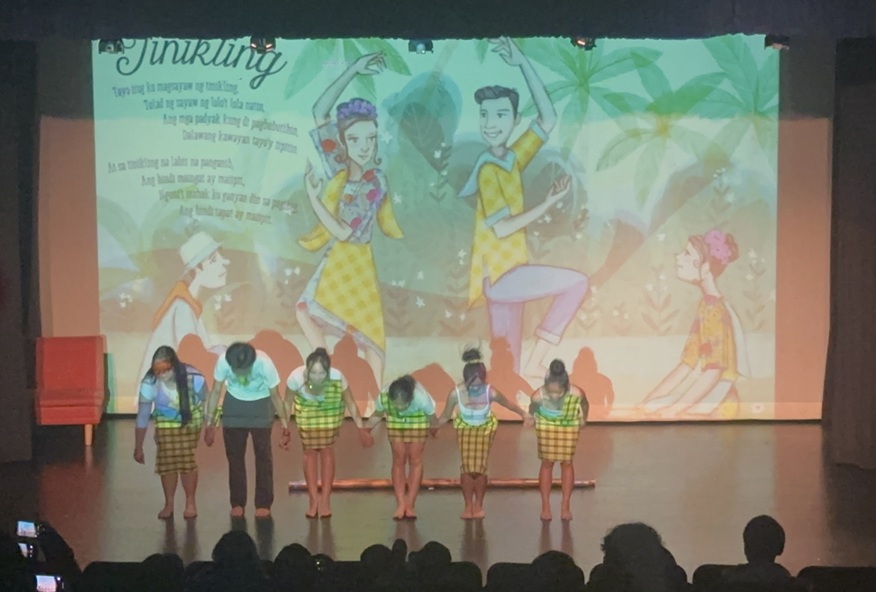
“We recently had a class project wherein we opened it up to the community, to parents and anyone who wanted to learn about Filipino traditions. My students performed Tinikling and other folk dances. They did a dialog presentation showing how Filipinos celebrate Christmas. They also presented interpretative dance and sang Tagalog songs.”
“Teaching isn’t just a job for me; it’s a calling,” she continued.
Yet, this calling wasn’t always evident in the beginning. Becoming a teacher wasn’t part of Marrissa’s dream.
“Being a teacher was actually my third option. I was thinking of getting an HRM (Hospitality & Restaurant Management) degree to help with our family business,” she recalled. “But I was inspired by an adviser who happens to be my Filipino teacher. I worked with her closely almost like her secretary checking papers helping her input and compute grades. So with that experience I decided to go into education.”
But that was 15 years ago when she stepped into a classroom in the Philippines. That moment marked the beginning of a journey that would eventually lead to teaching Tagalog in an American high school. Through the J-1 Teacher Exchange Program, Marissa crossed continents to bring the Filipino language to California classrooms.
“I never imagined I’d be teaching Tagalog in the U.S.,” she said. “But this opportunity allowed me to share not just a language, but a culture.”
With a bachelor’s degree in education majoring in Filipino and a master’s degree in the same field, the foundation was strong. When a California school district introduced Tagalog as an elective, the demand was immediate. Students enrolled enthusiastically, and what began as a Level 1 course soon expanded to Level 3.
“Many Filipino American students were curious about their heritage but had no space to learn their language,” she explained. “At the same time, non-Filipino students were genuinely interested in Asian languages. Tagalog became a bridge between cultures, identity, and curiosity.”
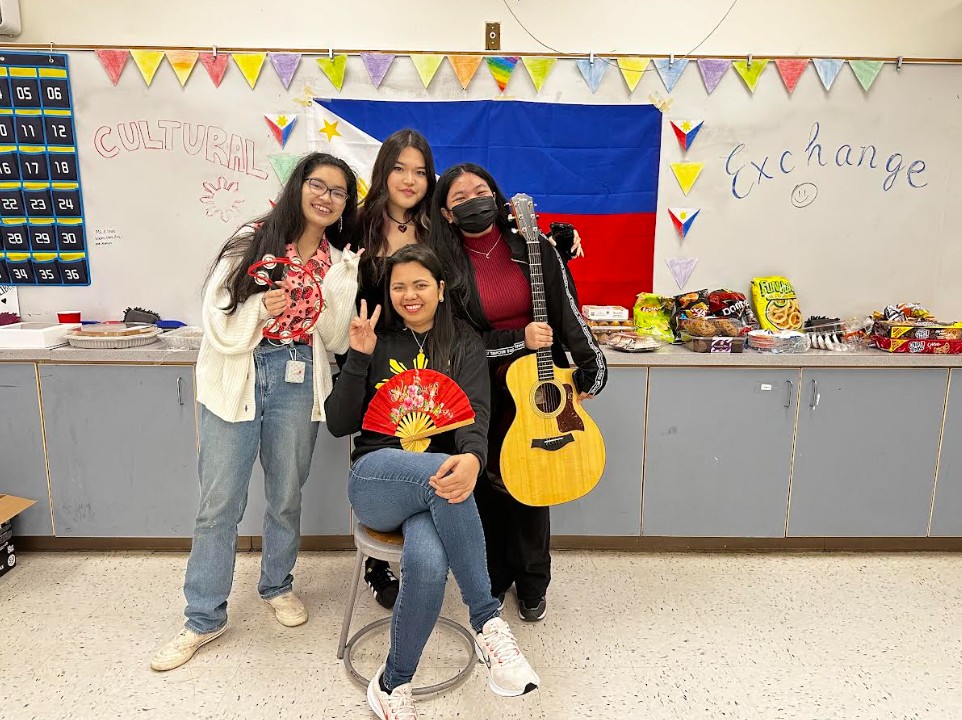
Currently teaching at Jefferson High School in Daly City, Marissa recalled her first time meeting her students via Zoom in 2021.
“At first, I did not feel confident. There were a lot of questions on my mind. What kind of students will I have? Are they pure American or are they mixed? But after meeting them in person seeing that they are mostly Filipino American, Asians and Mexicans I felt more confident.”
How does she teach Tagalog to Mexicans?
“I teach Tagalog to Mexican students by building connections rather than barriers. Since many of my students already speak Spanish, I use similarities in sentence structure, pronunciation, and shared cultural values, such as family closeness, respect for elders, and community—to make Tagalog more accessible.
“I avoid teaching Tagalog in isolation. Instead, I contextualize it through stories, dialogues, and real-life scenarios that students can relate to, regardless of background. I also create a safe classroom environment where students feel comfortable making mistakes and exploring a language that may be new to them,” she said.
It was not until January 2022 when she finally met her students in person. She describes her classroom as “beautifully diverse.”
“I teach Filipino American heritage students grades 9-12 who want to reconnect with culture, Filipino students who migrated and want to maintain the language, and non-Filipino students who are fascinated by languages and curious about Filipino culture.”
The hardest part of learning Tagalog is grammar, Marissa said. “Affixes, pronunciation and spelling pose challenges too, but grammar remains the steepest hill to climb.”
Second to the youngest in a brood of seven, Marissa was born and raised in the Philippines, with roots in Bulacan and Bicol. Financial struggles marked her early days in America. Two months of waiting before the first paycheck meant stretching every dollar. Adjusting to a new environment and culture added to the challenge, but resilience carried her through.
The first days were filled with laughter, she recalled.
“When I introduced simple Tagalog words, students laughed even heritage speakers,” she said. “Dialects spoken at home sometimes added confusion, but curiosity always won out.”
Teaching Tagalog in the U.S. came with unique hurdles.
“When I arrived, there were no ready-made materials for Tagalog in American classrooms. I thought I could use the Abakada book but I soon found out it would not work so I had to find other resources. I had to create lesson plans, cultural content, and assessments from scratch.” That challenge turned into an opportunity to design an authentic, culturally rich curriculum.
Another challenge is teaching in a mixed level setting.
“Since some of the students can understand Tagalog but cannot speak or express themselves and others are more familiar with Bisaya and other dialects. I try to modify the lesson based on the level they are at. That includes how I deliver the lesson and adjustment in activity level,” she explained.
Unlike other disciplines, Marissa stressed, teaching Tagalog demands patience and creativity. “Every word they learn carries culture. It’s not just grammar; it’s identity.”
Looking ahead she hopes to advance the Filipino language education through writing, research, and curriculum development. “I want Tagalog to have a stronger academic presence in the U.S.,” she said.
