
A Filipino community center can be both a blessing and a burden
By Ricky Rillera
For decades, Filipino Americans in the New York–New Jersey region have dreamed of a permanent home — a place where our stories can be told, our elders can gather, our youth can lead, and our culture can breathe without apology.
That dream has flickered, brightened, dimmed, and revived again through generations of community leaders who built organizations from scratch, often with little more than volunteer labor and stubborn hope.
Now, with NaFFAA New York securing an additional $1 million in federal funding for a Filipino American Community Center in Little Manila, Queens, that goal feels closer than ever. It is a milestone worth celebrating — but also a moment that demands sober reflection about what it truly means to own, sustain, and protect a community space.
It is impossible to discuss NaFFAA NY’s achievements without acknowledging the parallel reality: other Filipino organizations in the region have lost, sold, or are in the process of selling their buildings.
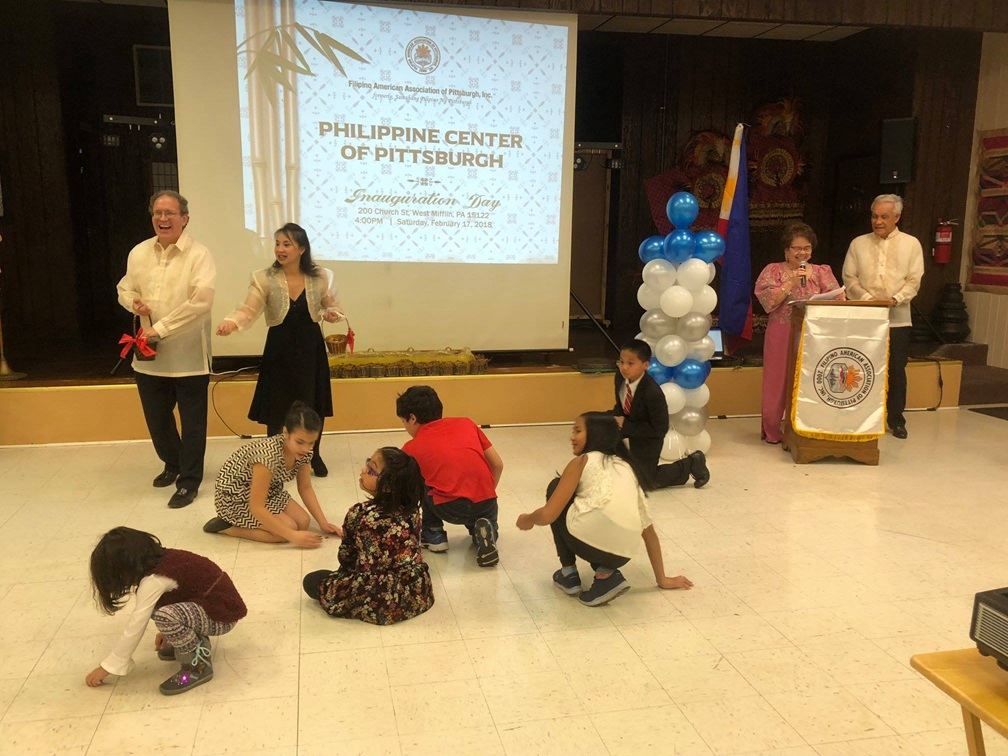
The Philippine American Community of Bergen County (PACBC) once owned a beloved building in New Jersey — a hub for events, meetings, and cultural gatherings. It was eventually sold, leaving a void for the community it once anchored. The Philippine Community Center of Jersey City (PhilCom), another historic institution, has also sold its building after years of financial strain and maintenance challenges. Even the Ilocano Center in Queens, long considered a cultural stronghold, has faced its own pressures and is reportedly considering improvements to the property or a sale.
These are not failures of leadership or vision. They are reminders of a hard truth: owning a building is both a blessing and a burden. And for Filipino American organizations — often volunteer‑run, underfunded, and stretched thin — the burden can become overwhelming.
The promise and peril of ownership
Owning a community building has always carried a powerful symbolism for Filipino Americans — a declaration that we are rooted, visible, and invested in the future of our diaspora. A building offers stability that rented spaces can never match. It becomes a permanent gathering place where programs can grow without fear of eviction or rising rents, where cultural exhibits and archives can be preserved, and where elders, youth, and new immigrants can meet under one roof. For many communities, a building becomes a living testament to identity and belonging, a physical anchor that tells the next generation: we were here, and we built this for you.
But the promise of ownership has always come with a parallel truth — one that has quietly strained Filipino organizations for decades. Buildings are expensive to maintain. Roofs leak, boilers break, insurance premiums rise, and property taxes creep upward year after year. For volunteer‑run organizations, the burden of upkeep often falls on a small circle of leaders who are already stretched thin. When leadership transitions happen, institutional memory can vanish overnight, leaving new officers to inherit financial obligations they never anticipated. In neighborhoods facing gentrification, even long‑established community centers can be overwhelmed by rising costs that outpace fundraising.
These pressures are not abstract. They are the very forces that pushed once‑thriving Filipino institutions in Bergenfield, Jersey City, and Queens to sell their buildings. Their stories are reminders that ownership is not simply a matter of acquiring property; it is a long-term commitment that requires financial planning, operational discipline, and a community willing to sustain the space beyond its opening celebration.
Learning from success stories
If NaFFAA NY is to succeed where others struggled, it may also need to look beyond the New York-New Jersey region for models of sustainability. Across the country, several Filipino American communities have quietly built and maintained thriving centers not because they had more money, but because they developed systems that outlasted individual leaders.
In Florida, FilAm organizations have sustained multipurpose community centers through professional management, diversified revenue streams, and strong partnerships with local governments. Their buildings are active, financially stable, and deeply integrated into civic life.
In Virginia, Filipino American groups have created community hubs that function almost like civic campuses, supported by transparent governance, clear bylaws, and leadership pipelines that ensure continuity across generations.
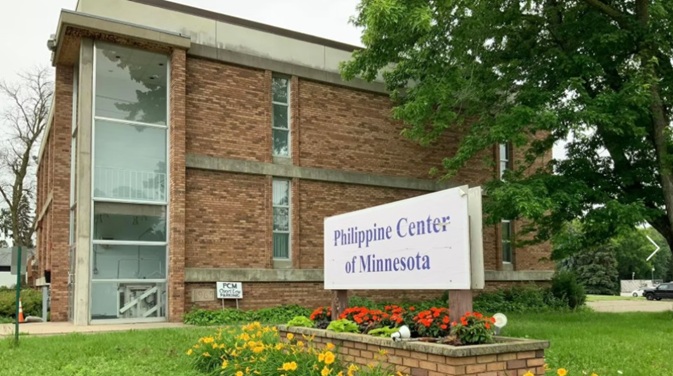
Even in Minnesota, where the Filipino population is smaller, organizations have maintained community spaces through disciplined financial planning and strong volunteer networks. Their success shows that sustainability is not about size — it is about structure.
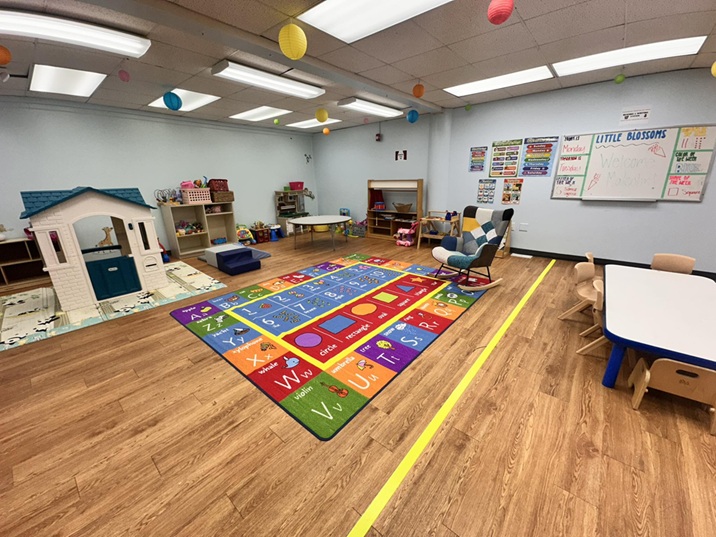
There are likely other examples in California, Hawaii, Illinois, Washington, and beyond. NaFFAA NY does not need to reinvent the wheel. It can learn from these models, adapt what works, and avoid the pitfalls that have caused other organizations to lose their buildings.
A call for collective ownership
If NaFFAA NY succeeds, the Filipino American Community Center in Little Manila will not be owned by a single organization. It will belong to the entire Filipino diaspora in New York City — nurses, teachers, caregivers, artists, small business owners, students, and elders who have long deserved a place to call their own. This is a rare moment. A fragile moment. A hopeful moment.
And the question now is whether we, as a community, can rise to meet it — not just with celebration, but with commitment. – Philippine Daily Mirror