
Proposed U.S. Senate bill seeks to end dual citizenship
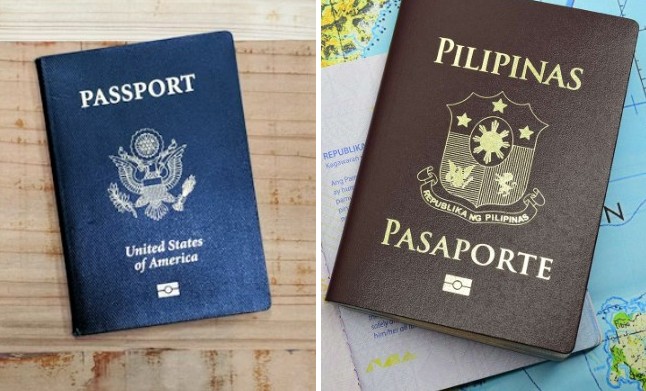
By Ricky Rillera
A newly introduced measure in the U.S. Senate is stirring debate among immigrant communities and legal experts as it seeks to abolish dual citizenship in the United States.
The bill, titled the “Exclusive Citizenship Act of 2025,” was filed by Senator Bernie Moreno (R-Ohio) and would require Americans to hold exclusive allegiance to the United States.
Under current law, U.S. citizens may retain foreign nationality if permitted by the other country, creating millions of cases of dual citizenship across the nation. Moreno’s proposal would mark a significant departure from longstanding practice by compelling individuals to choose between their U.S. citizenship and any foreign nationality they hold.
Key provisions
The legislation stipulates that any American who voluntarily acquires foreign citizenship after the law’s enactment would automatically forfeit their U.S. citizenship. Those who already hold dual nationality would be required to renounce either their U.S. or foreign citizenship formally. The bill has been referred to the Senate Judiciary Committee for consideration, beginning what is expected to be a lengthy legislative process.
Moreno, who himself renounced his Colombian citizenship at age 18 when he became a U.S. citizen, framed the proposal as a matter of loyalty.
“Being an American should be all or nothing,” he said in announcing the bill’s filing. “Our nation deserves the full allegiance of its citizens.”
Support and opposition
Supporters of the measure argue that dual citizenship can create conflicts of interest, particularly in areas of taxation, national security, and political loyalty. They contend that exclusive citizenship would strengthen civic unity and eliminate ambiguities in allegiance.
Critics, however, warn that the proposal could have sweeping consequences for immigrant communities and Americans living abroad. Many dual citizens rely on their foreign nationality for residency, employment, or property rights in other countries. Advocacy groups have also raised concerns about the bill’s potential impact on family ties and cultural identity.
Legal scholars note that the measure would likely face constitutional challenges, particularly regarding due process and equal protection. The Supreme Court has historically upheld Americans’ right to retain dual nationality, and any attempt to reverse that precedent could trigger extensive litigation.
Advisory from the Philippine Embassy
The Philippine Embassy in Washington, D.C. issued an advisory to Filipino Americans, one of the largest immigrant groups in the United States, urging caution and vigilance.
“The U.S. government has not yet made any policy changes regarding dual citizenship,” the embassy said. “The proposed bill will go through several stages of lengthy deliberation and may or may not proceed depending on the decisions of the U.S. Congress.”
The embassy further warned that renouncing Philippine citizenship is “an irreversible legal action” and advised community members to carefully consider the implications before making any decisions.
Since 2003, the Philippines has allowed dual citizenship for natural-born Filipinos who become citizens of another country, enabling many to maintain ties to their homeland while residing in the U.S.
If enacted, the legislation would force Filipino Americans with dual nationality to choose between their U.S. and Philippine citizenship, a decision that could affect property ownership, inheritance rights, and the ability to reside in the Philippines for extended periods.
Legislative outlook
The Exclusive Citizenship Act of 2025 is at an early stage and faces significant hurdles before becoming law. Immigration and nationality policy has long been a contentious issue in Congress, and sweeping changes to citizenship rules are rare. Analysts suggest the bill may serve more as a political statement than a measure likely to pass in its current form.
Still, the proposal has sparked a national conversation about identity, allegiance, and the meaning of citizenship in a globalized world. For millions of Americans with dual nationality, the debate carries profound personal implications. — Philippine Daily Mirror
