
Comedian’s daughter Samantha Javier discovers ‘deeper understanding’ of her culture through dance
By Cristina DC Pastor
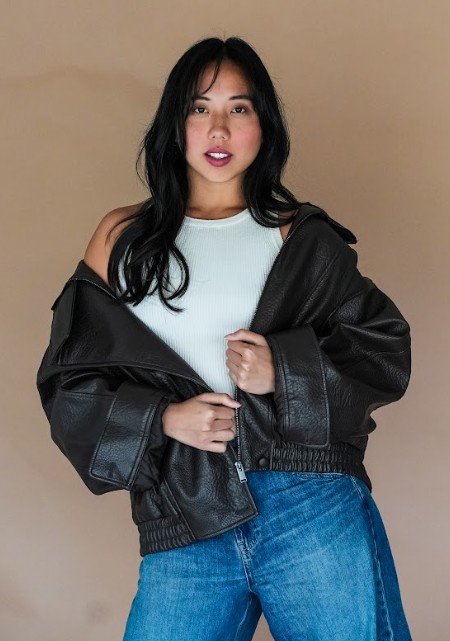
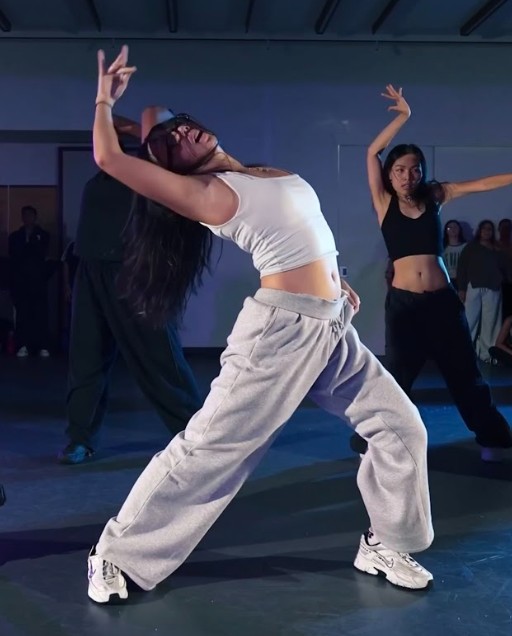
First was ballet, followed by hip hop, which would later open doors for her internationally. Today, Samantha Javier, 29, is discovering Philippine cultural dances as a recent graduate at New York University’s master’s degree in Performing Arts Administration.
“It was truly only dancing the Tinikling during the US Open that I felt the depth of not only carrying my flag, but the history behind dance and culture in our country,” said Samantha when interviewed by The FilAm.
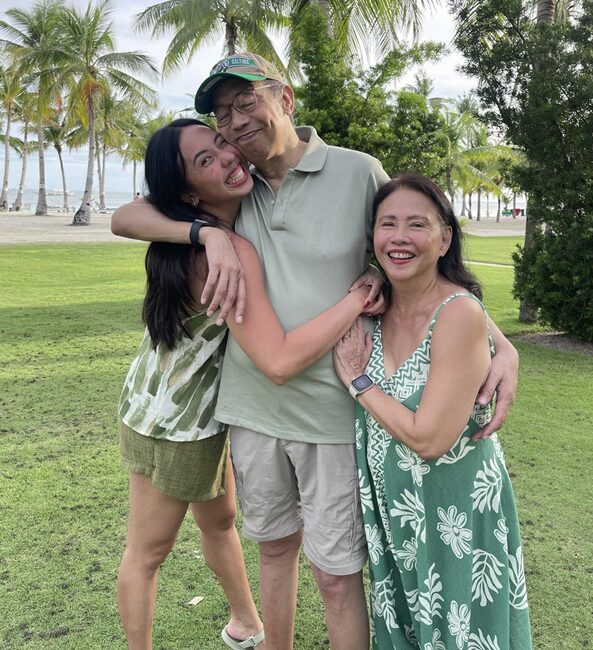
Samantha is the daughter of standup comic Dyords Javier, brother of the late Danny Javier of APO Hiking Society. She is the second to the youngest daughter of four children of Dyords and Corazon Bautista Javier, a businesswoman.
Samantha came to New York City about three years ago to complete her master’s degree in 2025, and now calls Queens home as she navigates life in one of the America’s most diverse multicultural neighborhoods.
“The universe just led me toward sticking to this track,” she said. “It also helps that I am from a family that supports the arts and trusts in my talent.”
Samantah’s journey has always been shaped by movement. At first through dance, but later through finding her identity, culture, and community. It became her pathway toward rediscovering her roots far from home. She has earned medals internationally — Hip Hop International and World of Dance — representing the Philippines both as a dancer and choreographer. More dance triumphs followed after that.
That support system began at home with her parents, especially having a father many Filipinos recognize for his work in comedy and entertainment. Today, he has stepped away from showbiz, she said.
“He’s retired,” Samantha said fondly. “Living his life taking care of our dogs and spending time with my mom.”
Before fully committing herself to dance, Samantha pursued a different academic route. She earned her bachelor’s degree in Marketing Management from De La Salle University, a background she now credits for helping her understand how culture and art can be communicated to broader audiences.
But New York City eventually called to her.
“Given my background in the arts, I felt New York was the best place to take my masters, especially in NYU where the city is your campus,” she said. “On a more biased note, my older sister lives in New York and I, to this day, cannot imagine being in a city without family.”
Ironically, it was in New York — thousands of miles away from Manila — where Samantha discovered a deeper understanding of what it meant to be Filipino. Because she grew up in the Philippines, she admits that cultural traditions often felt routine, even imposed. Traditional dances were learned in school as requirements rather than lived experiences.
“The sense of colonial mentality was strong,” she said by way of reflection. “Learning about our own culture and cultural dances didn’t feel like a necessity or something of interest.”
That changed after she moved abroad.
“Now that I live in New York and have experienced different cultures, I see on a deeper level how important it is to understand and learn about our own culture,” she says. “It’s one thing to grow up in the Philippines. It’s another thing to be immersed deeply in culture and history.”
Among the most memorable moments of her artistic life came not through hip hop competitions — where she had proudly represented the Philippines internationally — but through performing the Tinikling during the 2025 US Open.
“We learned all the traditional dances in school,” she said.
The experience reframed dance for her — no longer simply performance, but self-expression. She believes dance has the power to preserve heritage, create connection, and tell stories across generations.
A study abroad experience in Uganda deepened that conviction. There, she observed striking similarities between Filipino and Ugandan communal traditions and histories, but also saw how differently cultures celebrate their roots.
“I think dance, since it’s booming and such a huge part of the general community back home, could make a big impact if framed and marketed properly,” she said.
She has built a close-knit circle of friends in New York, consisting of fellow Filipinos who also grew up in Manila before relocating abroad. Together, they hang out, find fragments of home in a city they are trying to get to know.
“I hang out wherever my friends are,” she laughed. “I’m still very big on community and feeling the sense of family and belonging.” Friends jokingly call her “kaladkarin” and “kating paa” — always ready to explore, say yes to plans, and discover something new. She spends her time running, taking dance classes, trying new food spots, and showing up for friends’ events across the city.
Yet even while building a life in New York, Samantha remains closely connected to the Philippines — including its politics.
“Yes, I am very updated,” she said candidly. Before moving abroad, she herself worked in government serving an elected official. In politics, she said, she has seen both the possibility of integrity and the reality of corruption firsthand.
“It frustrates me because I know how easy it is to do good,” she said. “I know you can say no to bribes. I’ve seen it. It’s possible.”
Political engagement also runs in her family. Whether supporting the late Benigno Aquino III despite ties to rival political camps, or actively helping behind the scenes during the campaign of Leni Robredo, Samantha said her family has never shied away from publicly standing for what they believe in.
For Samantha, dance may have first been about movement. But today, it has become something far greater: a way of carrying the Philippines with her wherever she goes.
