
From the iconic jeepneys to the new electric taxis: Exploring the PHL using public transport
By Angelito Cabigao
Taking public transportation like NJ Transit, catching the MTA train, or flagging down a yellow cab is pretty common for anyone living, working, or visiting the New York City area.
During my recent trip to the Philippines with my wife and our baby boy, we decided to take a similar approach by using different modes of public transportation to explore and experience the country in a more local way.
There are a variety of transportation methods to choose from, depending on your needs and preferences. You can drive if you have a vehicle or hire private drivers if that best fits your situation. I even drove my wife Bianca’s aunt’s car a few times during this trip (thank you, Tita!).
But beyond that, public transportation is an option to consider. What stood out to me during this trip was seeing more international travelers using public transportation. Personally, it’s all part of the cultural immersion and part of the fun.
Here are a few options:
MRT/LRT
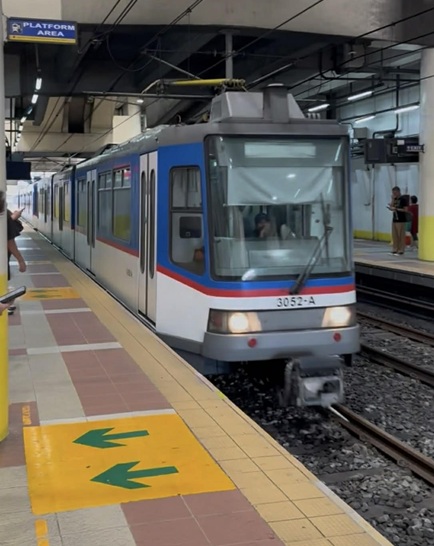
It was Chinese New Year, and we wanted to visit the oldest Chinatown in Binondo, to get fresh Lumpia. At the same time, we wanted to make sure we were actually hungry, so we planned to walk around nearby Intramuros first. My brother was also visiting from New Jersey, so it turned into a great family day—re-exploring historical sites, visiting churches, and walking through Fort Santiago.
We decided to take the BGC bus to Makati, then catch the MRT and LRT train from there.
Cost: Each ride was less than $0.25 per person, one way. less than $1 total per person.
Tip: The MRT/LRT is great for getting around Metro Manila. You can tap at certain stations if you have GCash, and you’ll notice security at every entry point and along boarding areas.
Jeepney
It was a Monday, and I had to catch up on some work. We decided to visit a local café in Cavite that we saw on TikTok called Naya Experience. The baristas there not only champion Filipino coffee but are also winners of the Da Vinci Barista Craft 2026. To get there, we took a jeepney from Bacoor to Imus, Cavite.
Cost: Less than $0.25 each way
Tip: Jeepneys are great for getting around the city. Learn “Bayad po” for payment and “Para po” to signal your stop.
Tricycle
It was getting close to dinner time. We had just finished Horchatas by the beach and were chatting with Kiddo from El Union. He recommended a Tatler-awarded Ilokano restaurant tucked away in a quieter area called Makan at Eliseo. Poqui-poqui, anyone? We decided to take a tricycle for the ride.
Cost: Less than $1 each way
Tip: Tricycles are ideal for short distances and inner roads. Around 2–3 people can fit, and one person can sit behind the driver.
Electric Taxi
It was time to shop for souvenirs for family and friends back in NYC and NJ, so we headed to Greenhills. While the tiangge (flea market) area is known for classic finds like keychains and T-shirts, I came across a pop-up in the newer Greenhills Mall featuring Pinangga Ethnic Hand Embroidery, who sells pieces that support Filipino indigenous heritage and give jobs to women from marginalized communities.
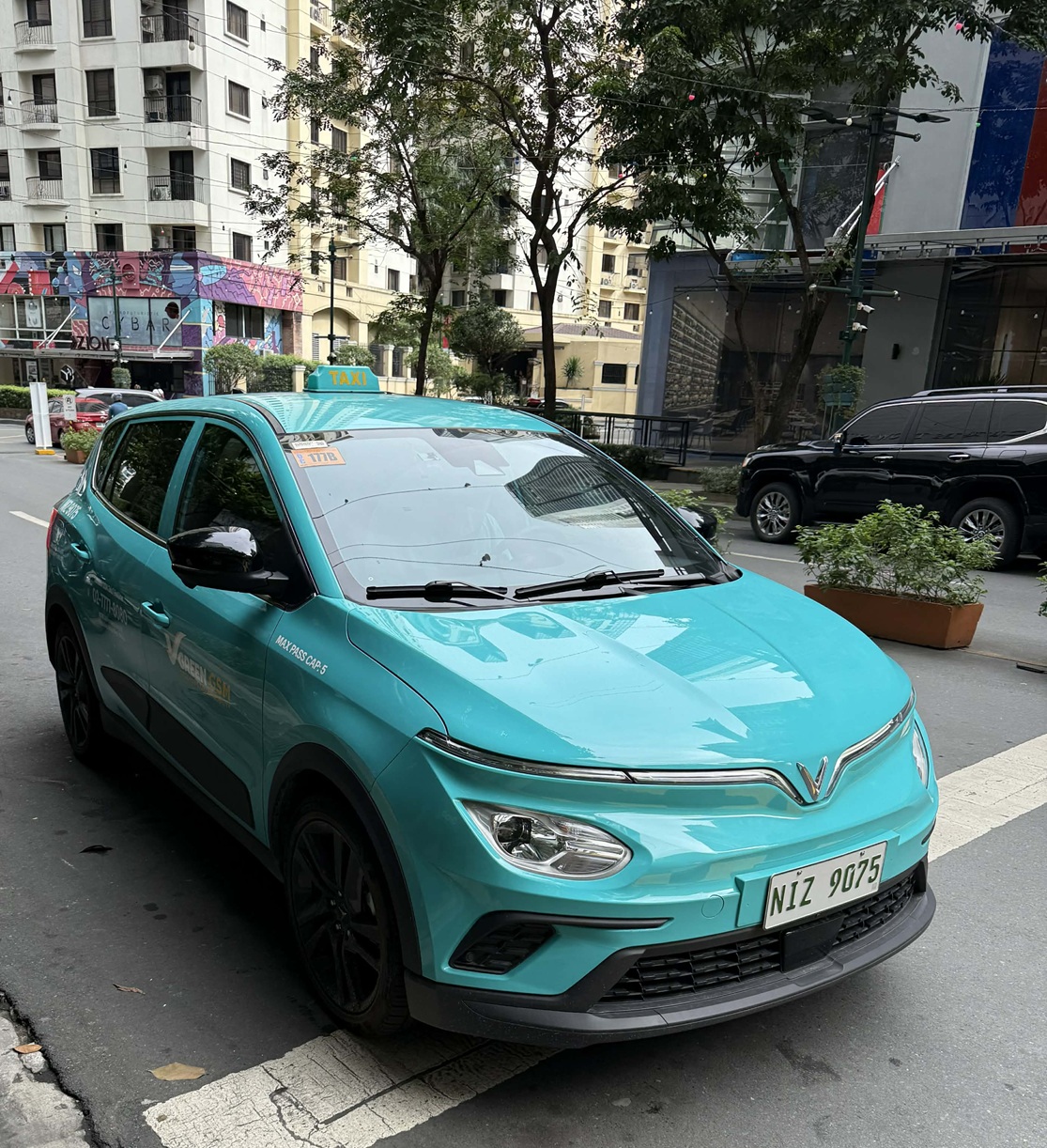
We booked an electric taxi through Green GSM Philippines. The experience felt modern and
convenient. New vehicles, multiple payment options, and a smoother ride overall.
Cost: Varies. Less than $6 each way (similar to going from Central Park to Wall Street in NYC).
Tip: Electric taxis are a great “go green” option. You can hail one like a yellow cab or book through the Green GSM Philippines app. Currently available in Metro Manila.
Grab (similar to Uber)
It was time to explore a bit outside Metro Manila, so we headed to Biñan, Laguna to visit cultural sites like the Alberto Mansion, where José Rizal spent part of his childhood with his mother, Teodora Alonso Realonda. We even got to visit Chef RV, someone we’ve followed on YouTube. For this trip, we booked a ride using Grab.
Cost: Varies. Less than $15 from Cavite to Binan
Tip: Grab is great for flexibility options, including passenger count and scheduled pick-ups.
Bus (for long trips)
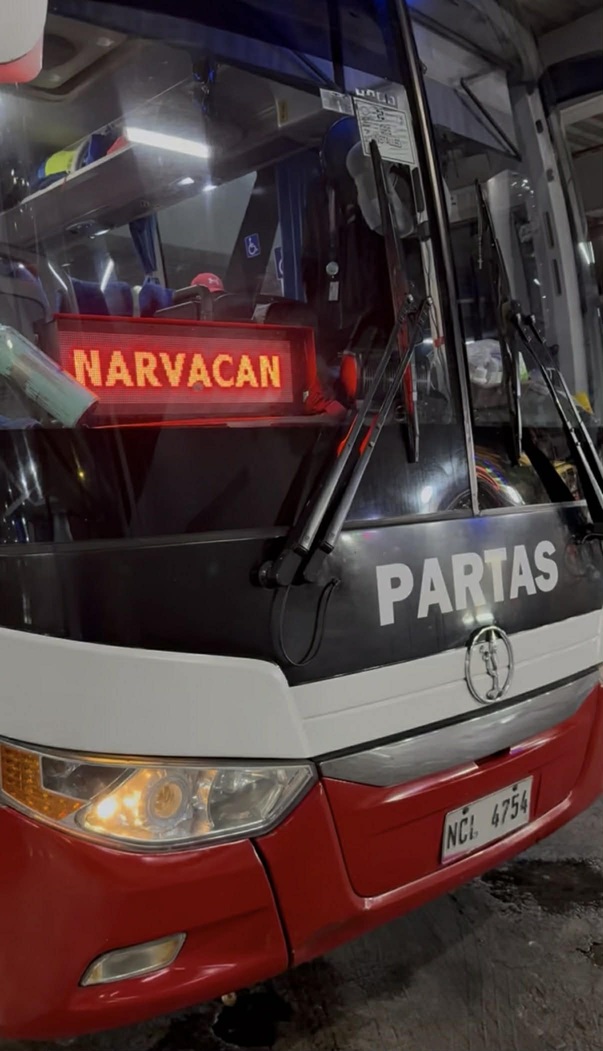
It was time for a longer adventure, so we took a midnight Partas bus near the surf waves of La Union. The ride took about 4.5–5 hours, dropping us right in Urbiztondo just in time for sunrise and coffee by the beach. The next day, we took another bus to Baguio for a quick mountain escape—Korean BBQ lunch, a walk around the city, and a visit to the night market. Later that night, we took a Solid North bus back to PITX.
Cost: Less than $18 from Pasay to La Union
Tip: Buses are great for long-distance travel. Some offer deluxe options with recliner seats, WiFi, TVs, and restrooms.
There’s a wide array of transportation options when getting around the Philippines, especially in Metro Manila. Do a bit of research ahead of your trip and choose what best fits your travel style and comfort level. And as with using transportation anywhere in the world, always take the proper safety precautions. It adds another layer to the travel experience, making it easier to explore, connect, and immerse yourself in the country’s everyday life.