
Newborn care specialists (AKA baby nurses): Guiding families through the 1st months
By Cristina DC Pastor
For many new parents, the first weeks after bringing a baby home can feel overwhelming: sleepless nights, constant feeding, and the quiet anxiety of making sure everything is right.
Stepping into this delicate moment are newborn care specialists — also known as “baby nurses,” — whose steady presence often becomes the backbone of a household adjusting to new life.
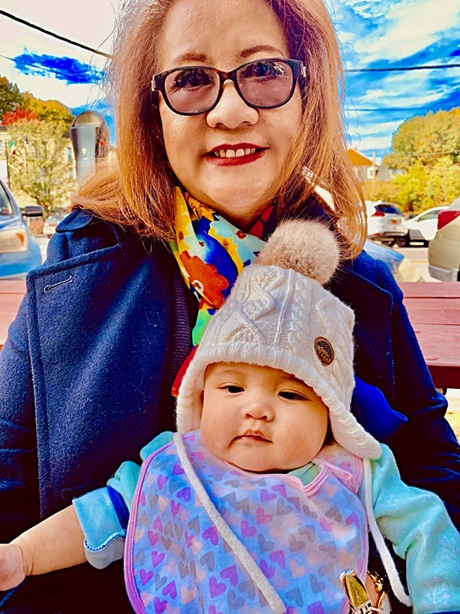
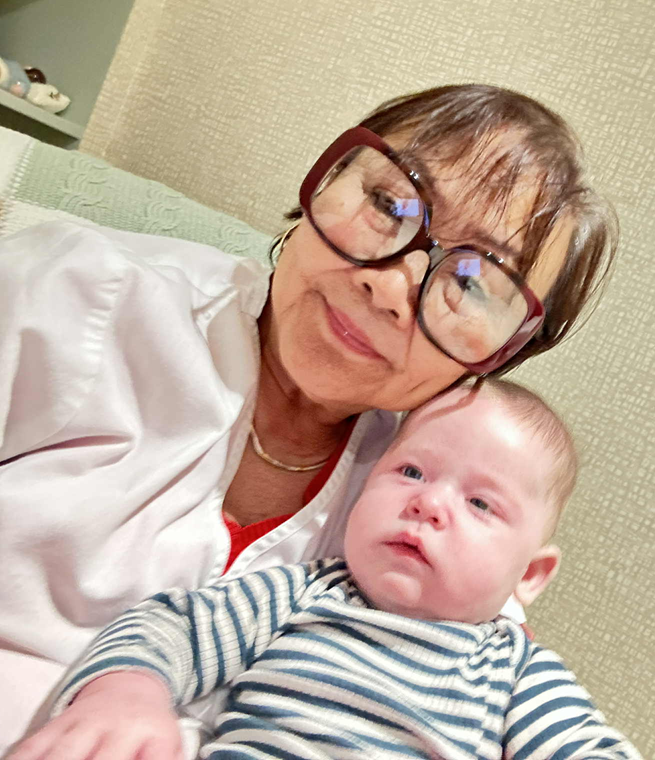
In a recent episode on Makilala TV, titled “Why FilAm women make excellent newborn care specialists,” certified newborn specialists Milagros Dela Cruz and Frances Robillo shared why they have devoted their careers to this demanding and what they call “deeply rewarding” profession.
“For my compassion for children, I love children,” said Dela Cruz also known as Tita Miles in the FilAm community, a mother of five adult boys.
She is someone who has spent years caring for infants, holding hundreds of them over the years. While she admits the job can be stressful for beginners, her experience allows her to navigate even the most challenging nights with ease.
Robillo, who began baby nursing in 2007 after arriving in the United States in 2004, took her commitment a step further by founding her own agency.
“A lot of clients called me for help,” she said. “I wanted to help Filipinas get jobs.”
What began as caregiving evolved into mentorship, creating opportunities for other immigrant women to find stable, meaningful work.
The pandemic tested the resolve of baby nurses. Dela Cruz recalled the strict protocols required to continue working at the time of COVID-19.
“We had to have clearance, a doctor’s certificate that said we did not have COVID,” she said.
Many baby nurses were asked to live full-time with their clients, unable to leave the home for fear of exposure. In those months of uncertainty, they became not just caregivers but lifelines—helping families navigate childbirth and newborn care in isolation.
Despite the responsibility they carry, the pathway to baby nursing is surprisingly accessible. According to Robillo, training can be completed by way of a certification course, often led by instructors like herself.
Certification documents are typically signed by a registered nurse, ensuring a level of professional credibility. But beyond formal training, both women emphasized that the real education comes from experience, learning to read a baby’s cries, establishing feeding routines, and guiding parents through the basics of infant care.
Much of their work begins even before the baby arrives home. Dela Cruz described visiting families at the hospital, observing feeding patterns and understanding the parents’ concerns. Once in the home, baby nurses help establish routines, from sleep schedules to feeding practices.

Sleep training, a topic that often divides parents, is part of their expertise.
“I can train the baby to sleep in two months,” Robillo said confidently, explaining techniques such as gradually reducing nighttime feeding and allowing babies to self-soothe.
The job is intensive and often round-the-clock. Baby nurses typically stay with a family for three to six months, depending on financial capacity, before a nanny takes over. Rates can range from $500 to $600 a day for 24-hour care—a figure that may seem high but not when you break it down.
“If you divide $600 by 24 hours… that’s $25 an hour,” Robillo pointed out. Breaks vary, with some clients offering four to six hours of rest per day.
Their work has taken them across the globe. Dela Cruz has cared for families that have taken her to London, Pakistan, and Turks and Caicos, highlighting some of the perks for skilled newborn specialists.
One aspect of the job remains constant: emotional attachment. “Of course you get attached,” Robillo admitted.
In those early weeks, babies often respond first to the caregiver who tends to them through the night. Still, both women emphasize the importance of strengthening the bond between mother and child, encouraging breastfeeding and hands-on parenting.
In many ways, baby nurses are often behind the scenes. But they help parents find confidence in their new roles and form a deep understanding of what it means to care for another life from its very beginning.


: Guiding families through the 1st months)