
15 years of RN Express: A lifeline for nurses
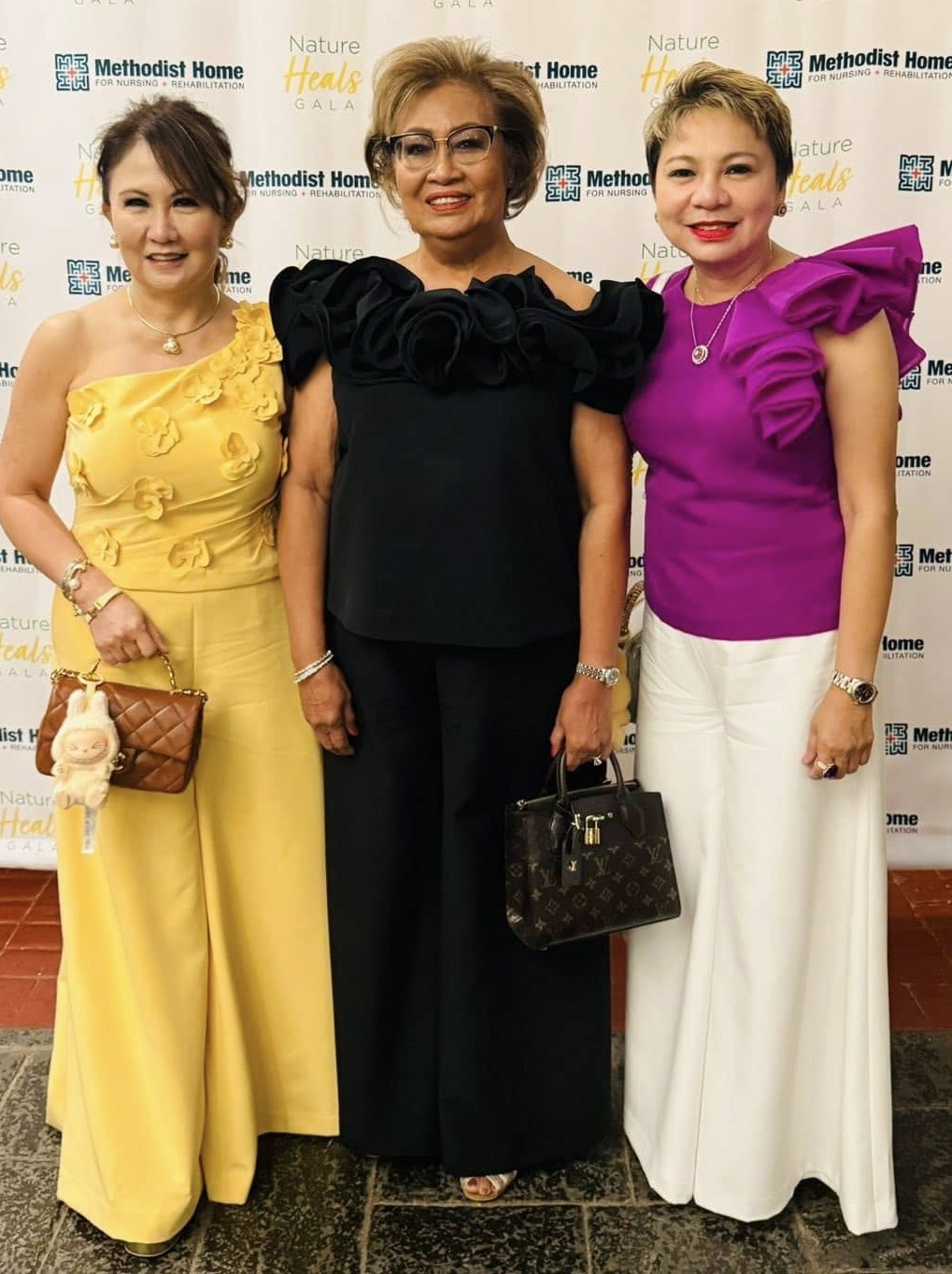
By Cristina DC Pastor
They were three nurses whose paths crossed at Amsterdam Nursing Home on the Upper West Side in the late 1990s.
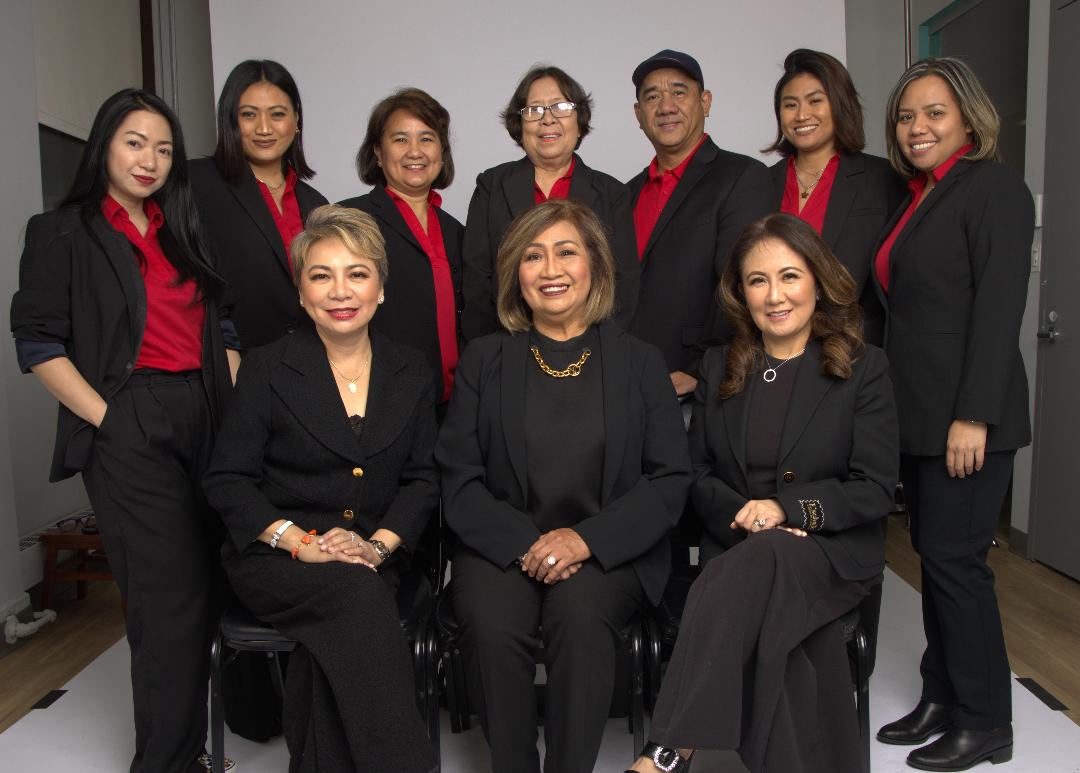
Maria Lea Batomalaque began as a staff nurse and, in a matter of months, rose to the position of head nurse. Sally Nuñez worked alongside Lea in the Reimbursement Department. Florida Lucas moved fluidly through various roles at the facility before eventually becoming a director of nursing.
In 2009, united by shared experiences in caring for their families, and struggling as new hires in the U.S., the three women took a bold leap of faith. Drawing on their decades of experience, they founded RN Express Staffing Registry, a venture they hoped would not only serve their profession but also provide jobs to others and offer stability they could count on in retirement.
Today, RNE, with offices in Lower Manhattan and the Philippines has grown into a trusted staffing partner, a sponsoring agency for international nurses, while developing a technology aiming to support nurses caring for loved ones in the Philippines.
Sally recalled their early years as entrepreneurs with excitement. During those days, she said RNE was experimenting with technology long before it became the norm. The team developed their first app in 2017 called ‘BackAPP,’ a back-end application intended to ease staffing issues with one click of a button. Nursing homes such as Mary Manning Walsh on the Upper East Side were the early adopters, as the system functioned almost like an Uber-style platform for healthcare staffing, she said. But then COVID-19 hit. Overnight, everything stopped.
The pause highlighted a hard truth: technology must constantly evolve and upgrade. The company realized how difficult it was to maintain and scale a system without full control, so they decided they would build their own independent web-based app. Today, that platform is still under development in-house, with a relaunch targeting populations that seem manageable, such as Metro Manila and Naga City.
The goal? To help Filipinos find care for their parents and aging family members, something many families struggle with.
“They don’t know where to go to find reliable help for their parents. We want to give them a place to start,” Lea explained.
In 15 years, RNE has grown beyond expectations:
- More than 100 nurses petitioned for U.S. green cards
- 74 nursing homes served
- 17 hospitals supported
- Hundreds of nurses assisted, many of whom now hold leadership positions in hospitals and facilities across New York.
Lea shared that like any company, “We had bumps, but we were able to manage them.”
The first five years were the hardest, they said. Sponsorships for permanent residency was a challenge because of retrogression, on and off.
The financial requirements were overwhelming. The regulations were strict, especially on H1-B visas. But the team never gave up.
“We learned a lot,” said Sally.
By the sixth year, RNE finally achieved some level of financial security and audit structure needed to petition successfully. From then on, approvals began flowing steadily. The long wait remained their Achilles Heel. It would take over a year for petitions to be approved. Today, under the current administration, the processing times for green card approvals are much longer but by this time, RNE knows the ins and outs. The company continues to support each applicant through the snail-paced journey.
“Talagang desire lang namin makatulong,” said Sally.
While there were frustrations along the way, there are also inspiring outcomes. Some of the nurses they helped are now nursing supervisors,
reimbursement specialists, assistant directors of nursing, and nursing administrative positions in major NYC hospitals. The three are pleased to note that the nurses are able to provide for their families back home and bring them over to the U.S.
“Looking back,” Lea said, “many of our nurses started with no exaggerated experience—but they proved themselves. That’s what we’re proud of.”
The founders’ stories
Lea’s journey mirrors that of the nurses RNE supports. She arrived in the U.S. on an H1-B visa, started as a staff nurse, and quickly rose to head nurse or nurse manager, and finally special project coordinator in MDS or Minimum Data Set, an assessment tool for patients in long-term nursing facilities. She helped pioneer MDS implementation at Amsterdam.
Sally also held multiple roles: RN floater, bedside nurse, adult day care nurse, Quality Assurance coordinator, MDS coordinator, eventually departing Amsterdam with the title of director of Admissions and Case Management.
Florida joined Amsterdam starting out high enough as a nursing supervisor moving along the ranks across disciplines: Rehab Nursing Coordinator, Infection Control Coordinator and Employee Health Services Coordinator until she was promoted to Assistant Director of Nursing for Clinical Services.
“We know the difficulties (of being a nurse),” the team said. “Nadaanan namin lahat.”
Not a profession
From visa denials to financial pitfalls, RNE survived by adjusting, learning, and, as they put it, staying grounded in its mission.
A new challenge recently surfaced with the U.S. Department of Education declaring that nursing is “not a professional degree.”
Lea responded candidly: “It’s not fair. We are the backbone of healthcare.”
Florida thought it was “degrading” to nurses for their profession to be downscaled.
Sally added that with the birth of EMR (Electronic medical records), patient care will be improved with more time with patients, reduced documentation errors, easy data access, and security patients’ information – or HIPPA, safely.
According to Florida, “Feedback we received from most nursing managers in long-term care, a lot of the new nurses now have less clinical skills, confidence and less critical thinking. Our goal is to assist new nurses boost their confidence and clinical skills with pre-employment training.”
With the company’s 15th anniversary happening on their December 12 Christmas celebration, the founders look back with gratitude and a sense of fulfillment.
“That’s our feeling then, because when we were starting out, there was no one to help us,” said Sally. “We just wanted to help others. That’s what’s in our hearts and that’s what brought us together and got us through.”
