
How the J-1 Visa became Revitche Eredia’s gateway to teaching
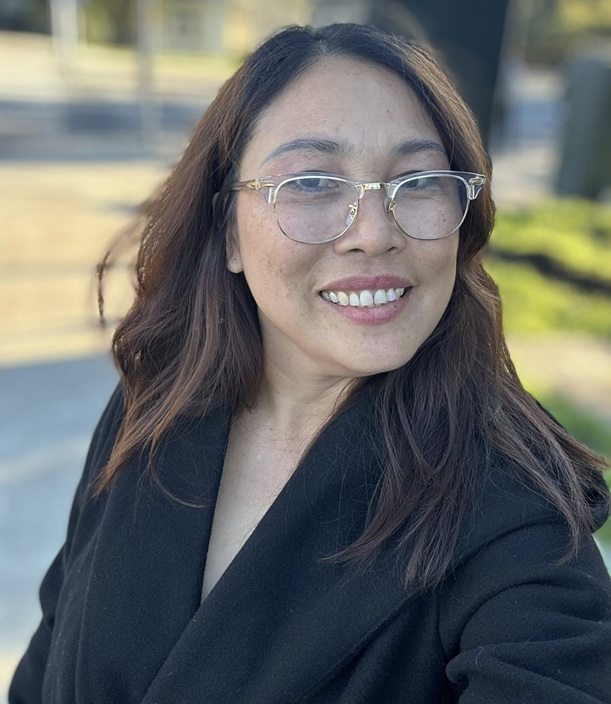
For many, the American Dream feels distant—something glimpsed only in stories or imagined through one’s aspirations. For Cebuana Revitche Eredia, it began with a single, uncertain step: applying for a J-1 Teacher Exchange Program Visa.
In 2021, she took a chance and applied through a virtual international recruitment program. She called it her leap of faith.
The J-1 visa, under the United States Exchange Visitor Program, is designed to promote cultural exchange by bringing professionals from around the world into American classrooms and communities. For teachers like Revitche, it is more than a temporary work opportunity—it is a “life-changing opportunity.”
“It opened a door that once felt unreachable, allowing me not only to teach in the United States but also to grow, adapt, and discover a new version of myself,” she said when interviewed by The FilAm.
Her journey started quietly, under the radar, so to speak, known only to family and a few close friends. She submitted an online application through a designated sponsor organization. This is the first crucial step, she said: finding a U.S. Department of State–approved sponsor such as cultural exchange agencies that partner with school districts.
In most cases, the process typically involves:
- Making sure you are eligible with a bachelor’s degree in education (or related field), at least two years of teaching experience, and proficiency in English.
- Submitting academic credentials, employment records, a detailed résumé, recommendation letters, and a valid passport.
- Going through credential evaluation: Degrees earned in your country must be evaluated to ensure they are U.S.-compliant.
- Interviews with sponsors: They assess your teaching skills, adaptability, and readiness for the classroom.
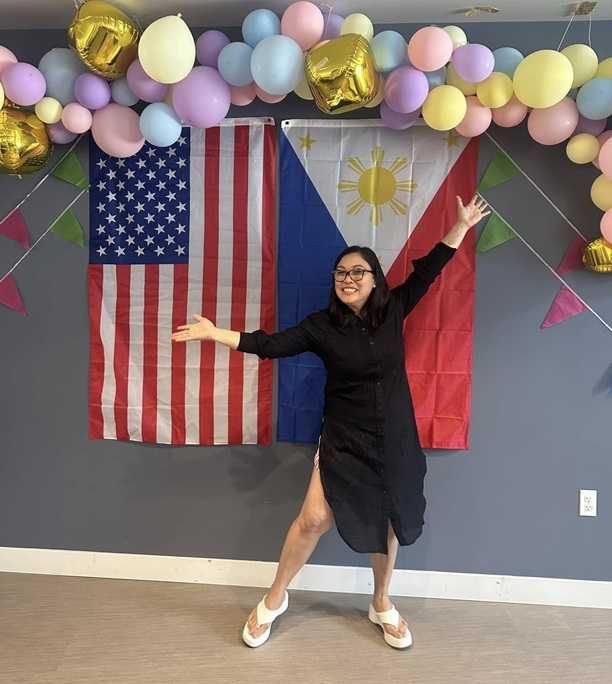
She began her teaching career at the San Fernando School District in Cebu, where she served as a MAPEH (Music, Arts, Physical Education, and Health) teacher from 2001 to 2018. In 2019, she transitioned into a Special Education role at Inchland Academy in Central Visayas after pursuing further studies. She earned a Bachelor of Secondary Education, major in Physical Education, from Cebu Normal College and completed her Master’s degree in Special Education at Cebu Technological University in 2010.
Meanwhile, Revitche waited for the recruiting agency to get back to her as days turned into weeks, the anxiety lingering.
Then, everything changed.
She received a call from the South San Francisco Unified School District. She was invited for an interview. That moment was the turning point. Soon after, she was hired and assigned to El Camino High School.
“The dream that once felt distant suddenly became real,” she said.
Critical steps
After receiving a job offer, the formal visa process begins:
- She was issued a Form DS-2019 document provided by the sponsor. This is the official certificate of eligibility for a J-1 visa. Without it, you cannot proceed.
- She paid the SEVIS fee which places her in the Student and Exchange Visitor Information System.
- She was scheduled for a visa interview at the U.S. Embassy in Manila.
- During the interview, she presented documents such as the DS-2019, passport, proof of qualifications, job offer, and evidence of intent to return home after the program.
“Yes, you will be required to return home. But you can always come back,” she said. Revitche is expected to return to the Philippines this June, stay there for a couple of years, and confident of her return to the U.S.
Challenges along the way
Yet, even with approval, the journey was far from easy.
“The J-1 visa process demands patience, resilience, and emotional strength. There are strict deadlines, financial considerations, and the anxiety of leaving home for an unfamiliar place. With the support of organizations like FCEC (Foreign Cultural Exchange Consultants) and Teacher Lounge, I was able to navigate each step—but not without fear.
“I often asked myself:
What if I fail? What if I don’t make it?”
Finding purpose in the classroom
Through the J-1 program, she realized her role extended far beyond teaching lessons. In the classroom, she began integrating life skills into daily instruction, helping students with moderate-to-severe disabilities build independence and confidence. Every small victory, she said, became a powerful reminder of why she took this journey.
“The J-1 visa became more than a legal document. It became a bridge connecting my life in Cebu to a new future in the United States. It allowed me to represent my culture, grow professionally, and serve a community that needed dedicated educators.”
She now works as a Special Education teacher serving students with moderate-to-severe disabilities.
“As an international teacher, I am more than an educator. I am a bridge between cultures—bringing global perspective, empathy, and inclusion into every classroom I enter,” she said.
And it all began with a single step: the courage to try.
