
Filipinos for Black lives: ‘We should be enraged’
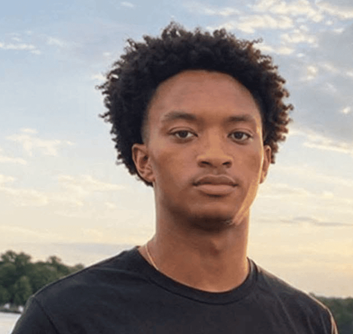
By Elaine Joy Edaya Degale
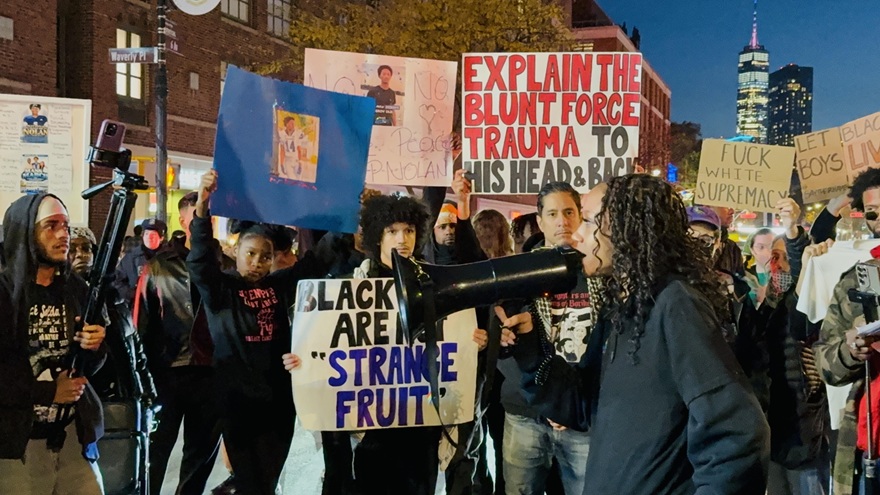
On November 1, 2026, demonstrators gathered at Washington Square Park in New York City for a vigil honoring Kohen Wiley and Nolan Xavier Wells, two Black children whose deaths have become a rallying cry in the broader demand for police accountability and racial justice in America.
Kohen was 1 year old when a Senatobia police officer fatally shot him in a Walmart parking lot on June 14, 2026. Officers had responded to a report of alleged shoplifting involving diapers and baby clothes. Kohen was on his mother’s lap when the officer fired into their vehicle. His mother and her friend denied the allegations; neither woman was charged. Mississippi Attorney General Lynn Fitch later concluded that the officer’s use of force was justified. The case raises a question: how could an alleged retail theft lead to deadly force against a vehicle carrying a baby?
The death of Nolan Xavier Wells, an 18-year-old Black Filipino student from Ocean Springs, Mississippi, has similarly drawn national attention. Wells disappeared during a Fourth of July boating trip to Horn Island with a group of friends. His body was recovered from the water on July 6. The racial dynamics of the group and the circumstances surrounding his disappearance have become central to his family’s demand for answers.
On September 21, a Jackson County grand jury declined to indict anyone in connection with Wells’s death. The grand jury concluded that there was no credible evidence supporting the public allegations against Wells’s friends and declined to issue criminal indictments. The state medical examiner classified both the cause and manner of death as undetermined.
An independent pathologist retained by the family through their attorney Ben Crump also could not definitively establish the circumstances of his death. His family has continued to raise questions about injuries documented on his body and the investigation’s findings.
A new controversy emerged on November 15, when Christian Claudio, a 25-year-old Black man from New York, was extradited to Mississippi after being arrested in Otsego County on Halloween, October 31, on a felony charge of making terroristic threats. According to Jackson County authorities, Claudio is accused of calling a clerk in Jackson County Chancery Court on Sept. 25, during which he allegedly made threats to travel to Mississippi to kill her, according to the Sun Herald.
Claudio, however, maintained that he had simply called to ask questions about the case and denied making any threats. A judge set his bond at $50,000. Claudio’s criminal charge is separate from the investigation into Wells’s death, but it raises the question about how the law regards Black working-class people inquiring about justice in the United States.
The case has also exposed disparities in the resources available to families seeking answers. According to New York Magazine, some of the young men who accompanied Wells on the boating trip came from affluent families with waterfront properties and access to private boats. Three reportedly retained attorneys, while an online fundraiser for Nolan Wells has raised more than $230,000.
For Filipino-Americans this struggle is deeply woven into our history. Many of the opportunities and protections we enjoy in the United States today were made possible in large part by the sacrifices of Black Americans who fought against institutional racism and demanded equal protection under the law. The Black-led Civil Rights Movement helped pave the way for the Immigration and Nationality Act of 1965, which dismantled discriminatory national-origins quotas that favored Northern and Western European immigrants over Eastern European and Asian immigrants, thereby transforming immigration practices to embrace more immigration from places like the Philippines and the larger continent of Asia.
To benefit from these hard-won victories while remaining silent in the face of anti-Black violence is to turn away from a history of solidarity that helped shape Filipinos’ sense of belonging in America. As Filipino Americans, we should be outraged. We should recognize that the fight for Black lives is inseparable from the broader struggle for racial justice, dignity, and equality.
