
Joel David’s ‘Canon Decampment:’ Philippine cinema through the years

By Allen Gaborro
What many Filipinos think about Philippine cinema off the top of their heads are the plethora of heavily marketed, A-list action flicks, romantic and socio-economic on-the-edge melodramas, and hilarious comedies that have illuminated theater screens for decades.
Distinguished cinema analyst and academic Joel David acknowledges the significance of this familiar view. But David knows better than anyone that the history of Philippine cinema is replete with a wide and complex portfolio of lasting works that have been eclipsed by popular culture and mass-market appeal.
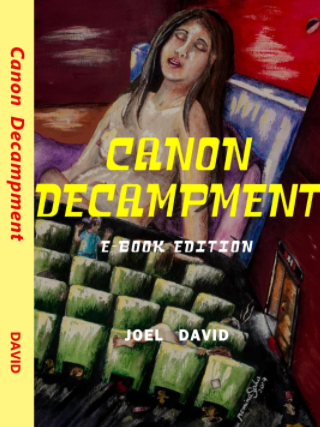
By publishing “Canon Decampment,” a digital unravelling of historical assumptions in Philippine cinema, David does not try to disarticulate the master, orthodoxical film history narratives. Rather, he parlays his undertaking into a broader exploration that adds to and goes beyond past constraining inventories of top-tiered motion pictures.
“Canon Decampment” — which can be accessed as a web-based book on the blog “Ámauteurish!” — presents critical evaluations of 350 Filipino films dating from the Great Depression era through the 21st century.
David’s Diderotian effort surveys its subject films and the manner and content in which they became realized as variations on older themes, as soul-searching stress tests of Philippine society, and as nationalistic yet inclusive epicenters of the human condition.
David pushes back against the closed off, patricianized elite, the elite that has taken it upon itself to determine and reinforce cinematic stratifications. This elite unnaturally circumscribed what they arbitrarily considered to be movies worthy of artistic, social, and cultural value.
With its creative ambience and egalitarian quality, as well as through a multi-regional prism (i.e. areas centrifugal to the preeminent metropolitan hub of Manila), David sets the tone of class antithesis in Philippine cinema. He examines the filmic portrayals of high and low society and how they have collided in many ways and interacted in others. By doing so, David reshapes and builds upon how Philippine cinema has matured and transformed over the years.
One of the points of distinction in “Camp Decampment” is David’s discerning anatomization of Lino Brocka’s screen creations. While David broaches critical reservations about the auteur’s story architecture and heterodox selections, he reframes these takes towards a deservedly meritorious direction. David makes sure that there is still a revered place for Brocka and the expressive force of his moral and communal themes and subtexts.
With all things considered in his extensive tableaux of celluloid contrarianism, David’s line of political vision is made clear when he states unambiguously that “my leftish ideals ensured that a number of titles championed by individuals or institutions would never show up in the text.”
If we accept the grounding principle that encyclopedic volumes like “Canon Decampment” should be objective, indeed apolitical, then it can be plausibly argued that David is partisanly nurturing the elements of a more “leftish” than not compendium. This runs the risk of spoiling David’s impartiality.
However, I think David isn’t too concerned about that. What matters more to him is that his collective choice of source materials (chiefly the films he covers) form a versatile totality that flips the script in expanding the historical experience of the Philippine cinema.
And if his palpable spirit and intent of dissent and activism—which echoes socially, politically, and cinematically—convulses those held down by a poverty of insight and imagination, then more power to David and “Canon Decampment.”
