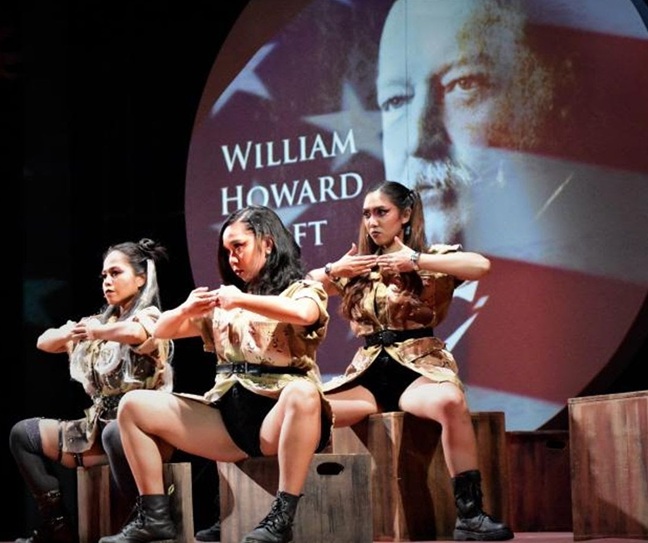
‘When the State demanded silence, artists answered:’ A Ma-Yi symposium
In 1972, Ferdinand Marcos placed the Philippines under Martial Law. His first orders took control of newspapers, magazines, radio and television. Rallies were banned. Curfews were imposed. Critics were arrested.
Tens of thousands were detained. People were tortured. Some disappeared. Some were killed. Fear was not a side effect. Fear was the system. Theater did not disappear under Martial Law. It changed shape. It moved into churches, classrooms, streets, rallies, and memory.
Three artists and their acts of resistance will be presented by Ma-Yi Theater Company in this free two-day symposium, “Stages of Resistance: Theater, Memory, and the Politics of Truth” — October 1 and 2 at Open Jar Studios,1601 Broadway, 11th Floor NYC — with leading artists, scholars, cultural critics and organizers. Not to celebrate the past, says Ma-Yi, but to ask what artists must do now.
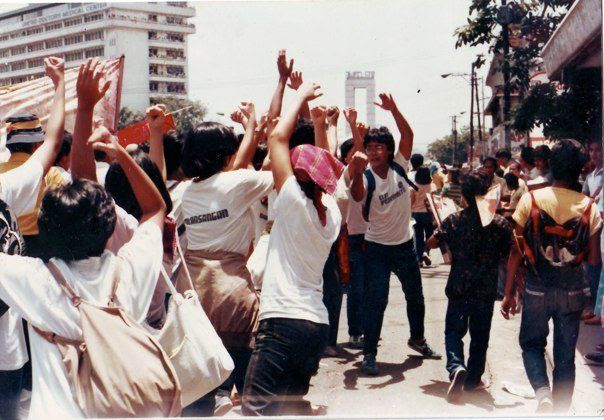
Bonifacio Ilagan turned the Mass into protest.
In 1974, soldiers arrested playwright Boni Ilagan with journalist Pete Lacaba. They took them to Camp Crame. They were tortured. Ilagan was released in 1976. He returned to UP and wrote Pagsambang Bayan. He built the play like a Christian Mass. Then he filled it with the voices of people living under dictatorship.
The play named what the regime wanted hidden: stolen freedom, human rights abuse, corruption and greed. It spread through schools and communities. By 1984, many theater groups had staged it more than 100 times.
Chris Millado turned vaudeville into street resistance.
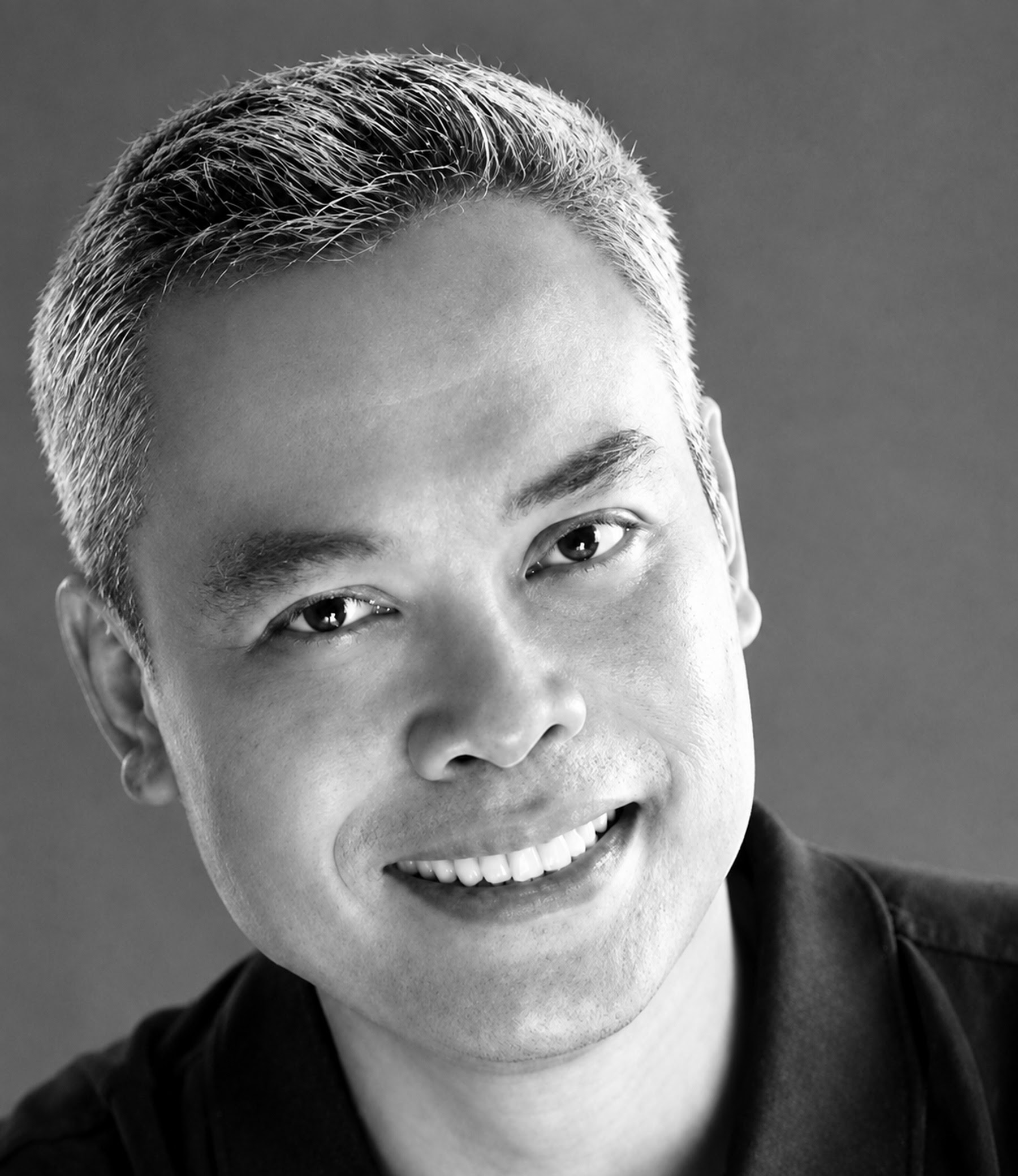
At UP, Chris Millado organized Tropang Bodabil in 1980. It became Peryante in 1983. The group used vaudeville, satire, pop songs and street comedy to attack political lies. They could perform fast and move fast. They played for crowds at mass actions. They even slipped into a detention center, pretending to be relatives, so they could perform for political prisoners.
Satire did real work. A dictatorship wants to look permanent and all-powerful. Laughter breaks that spell. Peryante did not wait for people to enter a theater. It brought theater to the people.
This was collective work. People made music, argued around tables, trained their bodies and built performances together. Theater became a place to study power—and a way to make fear less lonely.
Nicanor Tiongson turned history into an argument with the present.
Decades later, Nic Tiongson wrote Mabining Mandirigma, a musical about Apolinario Mabini. Chris Millado directed it. The story is set at the birth of the Philippine republic. But it looks straight at the present: patronage, private armies, violence, foreign power and leaders who put themselves above the people.
During the Duterte years, those questions hit hard. What happens when power demands obedience? What does a patriot do when leaders betray the public?
Tiongson uses history the way activists use memory: not to worship the past, but to expose the present.