Finding acceptance in a gay-friendly workplace

By Veana DC Pastor
I work for an LGBTQ-friendly company in Pittsburgh. I have to say it took me a while to find a workplace where gay employees are treated with maturity, dignity, and respect.
It’s a small food establishment where many of the employees – in both management and staff — are mostly gender-positive. The shift leader is trans, another shift leader is gay and I, the head of Kitchen, am a certified lesbian. I’ve worked in several companies where LGBT employes were mostly objects of ridicule or openly discriminated.
In this workplace, employees, regardless of sexual orientation or gender identity, feel safe, respected, and valued. It goes beyond having a non-discrimination policy on paper. It is reflected in daily interactions, leadership behavior, benefits, and company culture.
One of the most noticeable characteristics of a gay friendly environment is psychological safety. Employees do not have to hide or carefully edit parts of their personal lives. They can talk openly about a weekend with their partner, display a photo on their desk, or attend a company event with the person they love without fear of judgment, gossip, or negative consequences for their career. That freedom reduces the mental load that comes from constantly self-monitoring and allows people to focus their energy on their work.
Inclusion is also visible in practical policies. This includes equal health benefits for same-sex partners and spouses, parental leave that applies equally to all families including adoptive parents, clear procedures for reporting harassment, and gender-neutral language in handbooks and forms. Many gay-friendly employers also provide training on unconscious bias, respectful communication, and allyship. Restrooms, dress codes, and HR systems that respect chosen names and pronouns are other tangible signs.
Leadership plays a critical role. When managers and executives openly support inclusion, use inclusive language, and hold everyone accountable for respectful behavior, it sets the tone for the entire organization. Employee Resource Groups, or ERGs, for LGBTQ+ employees and allies often provide mentorship, networking, community service opportunities, and a voice to leadership about workplace issues.
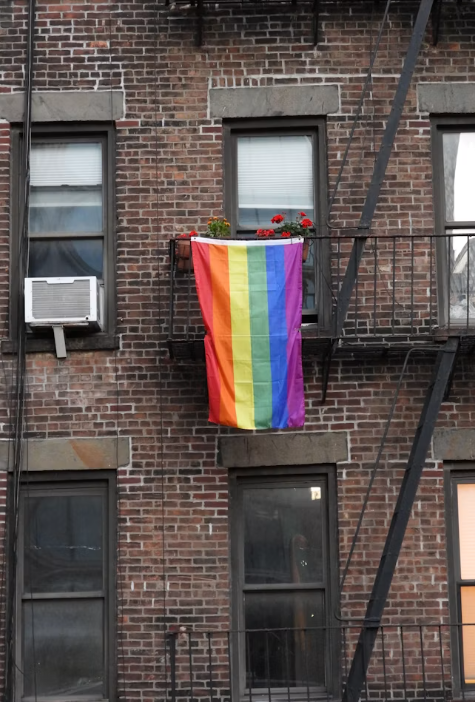
Celebration of events like Pride Month, National Coming Out Day, or LGBTQ+ History Month, when done sincerely and not just for marketing, can strengthen belonging. The benefits extend to the whole organization.
Research on workplace climate consistently shows that when people feel included, they are more engaged, more collaborative, and more likely to stay. Teams that welcome different perspectives and life experiences tend to be more creative and better at problem-solving.
For the company, a reputation as a gay friendly employer helps attract talent from a wider pool. Many job seekers, including those who are not LGBTQ+, actively look for employers with strong values around inclusion and equality.
Colleagues learn how to support one another, speak up when they see exclusion, and create a culture of mutual respect that benefits everyone, including people from other underrepresented backgrounds.
Creating a truly gay friendly workplace is an ongoing process, not a one-time statement. It requires listening to employee feedback, reviewing policies regularly, addressing incidents quickly and fairly, and understanding that inclusion looks different for different people. A workplace that does this work well is not just friendly to gay employees. It is a better workplace for all employees, because it is built on the principles of dignity, fairness, and respect for individual differences.