
Mabuhay, Lea. Mabuhay, Alex!

The FilAm Editorial
There are two Filipinas, rare individuals whose talent, discipline, and character have become a source of inspiration for an entire nation.
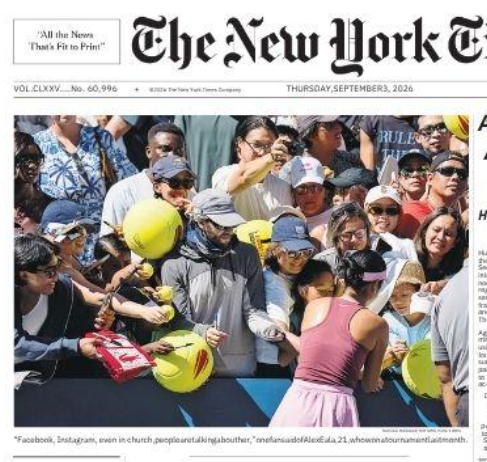
We’re referring to Lea Salonga and Alex Eala.
They come from different generations and inhabit very different worlds. Salonga conquered Broadway and Hollywood with her extraordinary voice and acting talent. Eala is making her mark on the international tennis circuit, competing against some of the finest athletes in the world. Yet beneath their different careers is a common thread: both have shown what a Filipino woman can accomplish when talent is matched by discipline, courage, and determination.
Salonga’s journey is particularly significant because she opened doors at a time when opportunities for Asian performers on the world’s biggest stages were far more limited. Her historic portrayal of Kim in Miss Saigon made her an international star and earned her a Tony Award. She later became the singing voice of Princess Jasmine and Mulan for Disney, bringing the Filipino voice into millions of homes around the world.
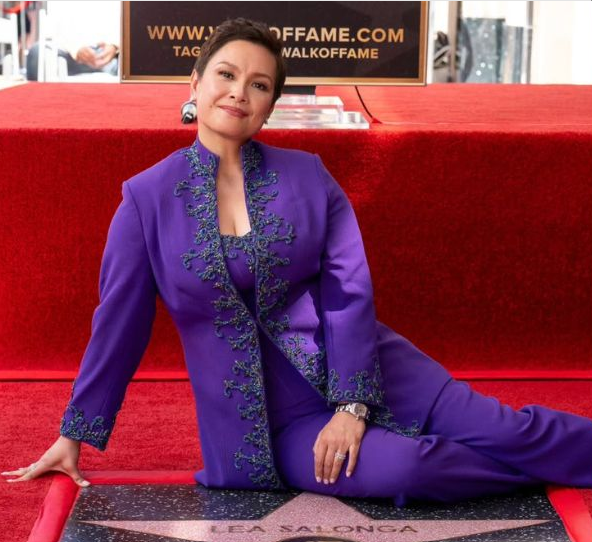
But Salonga’s greatest accomplishment may not be the awards or the standing ovations. It is the longevity of her career and the professionalism with which she has carried herself. Decades after her breakthrough, she remains a formidable performer, respected because she is exceptionally good at what she does.
Eala represents another kind of pioneering Filipina.
At a young age, she chose a sport in which Filipinos have very little connection, compared to basketball. As a sport, tennis is demanding, solitary and unforgiving. There are no teammates to hide behind when the match turns against you. Every victory and every defeat is intensely personal.
Yet Eala persisted.
Her rise is a reminder that greatness does not happen overnight. It takes years of training, sacrifice, disappointment, travel, physical exhaustion and the mental toughness required to begin again after a loss. Her success has given Filipino tennis fans – now a massive following — something they have long yearned for: someone to watch, believe in and cheer for.
What makes both women exemplary is not simply that they have succeeded abroad. It is how they have carried their Filipino identity with them.
They demonstrate that being Filipino does not have to mean limiting one’s ambitions to what is familiar or comfortable. A Filipina can dream of Broadway. She can dream of Wimbledon. She can stand on the world’s biggest stages and compete—not as an outsider asking for permission to belong, but as a professional who has earned her place.
Salonga and Eala also remind us that representation matters.
A young Filipino girl watching Salonga perform may imagine herself becoming an artist. Another watching Eala battle through a tennis match may pick up a racket and dream of becoming a champion. That is the real legacy of exemplary women: they do not merely succeed; they expand the boundaries of what others believe is possible.
And for that, a grateful Filipino nation can only say: Mabuhay, Lea. Mabuhay, Alex.
