Attorney Maybelle Francisco: A compassionate approach to immigration
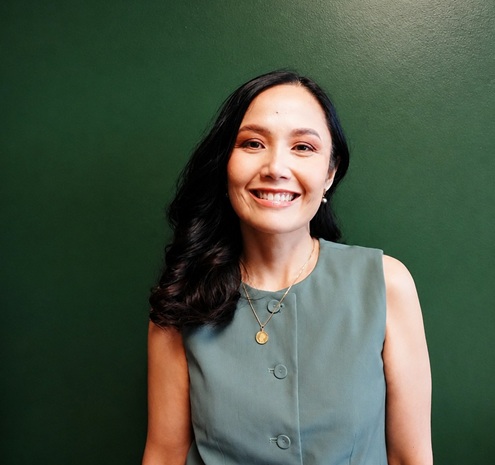
By Cristina DC Pastor
For immigration lawyer Maybelle Ocampo Francisco, every case tells a human story.
It could be a family longing to reunite, a professional pursuing a career, an entrepreneur chasing opportunity, or an immigrant hoping for security in a new country. It is with this understanding that she formed her own law practice in the hope, she said, of being a “trusted voice” on U.S. immigration law.
Maybelle, 42, has already built an impressive legal career with a roster of about 200 clients. But her success did not come from privilege. It grew out of hardship, the generosity of people she has met, and an unwavering belief in education and the willingness to learn and start from the bottom.
Born and raised in San Miguel, Bulacan, she is the youngest and only daughter in a family of three children. Her parents are OFW (Overseas Filipino Workers) who spent years working in Saudi Arabia. Her mother was a dietitian and nutritionist, and her father worked in the banking sector.
“We were not poor,” she recalled in an interview with The FilAm. “But we certainly were not wealthy. We got by.” Maybelle and her siblings grew up largely under the care of their grandmother.
When her parents returned to the Philippines the family became entrepreneurial using their hard-earned savings. They farmed calamansi, sold produce at the local market, made nata de coco, and even sold homemade ice candy.
“Rakerista yung nanay ko,” she spoke with unabashed pride of her mother who knew how to earn a living. Those experiences, she said, taught her the values of integrity, hard work, humility, and compassion.
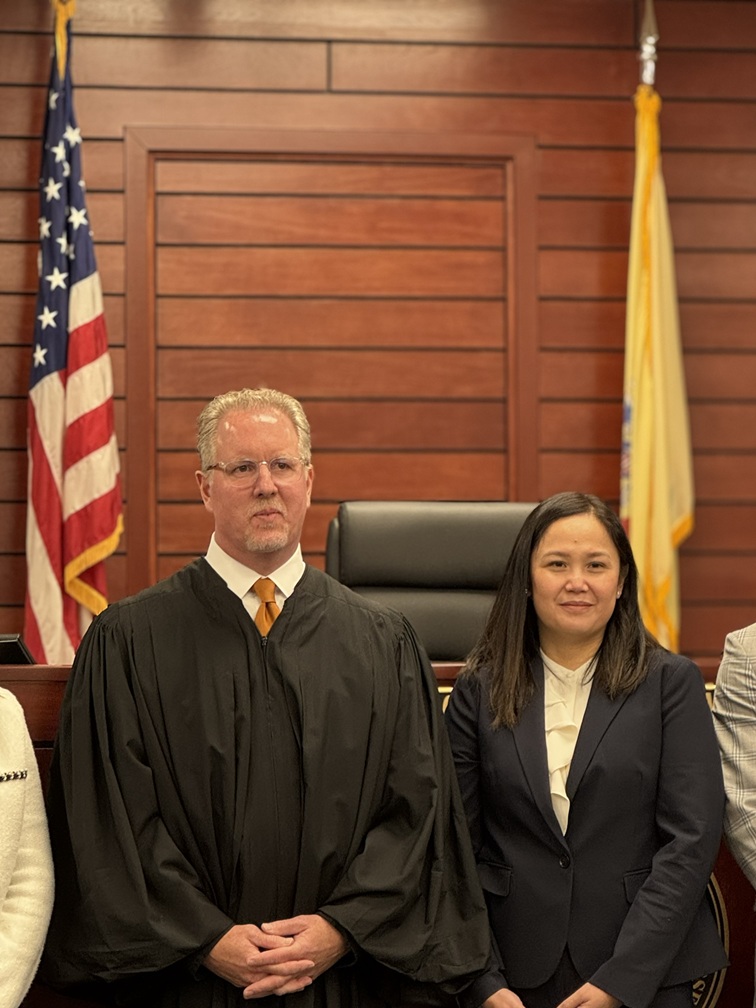
“Those values continue to guide me today, not only as an attorney but also as a business owner and advocate for immigrants,” said Maybelle. “Family has always been my foundation, and their sacrifices continue to inspire everything I do.”
Throughout school she consistently emerged as a student leader and academic achiever. Even as a young girl, she said she has dreamed of becoming a lawyer and also an accountant.
Opportunity eventually knocked in unexpected ways.
Her parents later tried their luck and migrated to the United States. Maybelle followed a few years after. Like countless immigrants before her, she had to start at the bottom, working as a paralegal and later a case manager handling numerous immigration cases. Through this experience, she gradually learned the complexities of America’s immigration system. Supportive employers recognized her talent and encouraged her to pursue a legal education.
“Paralegal ako hanggang naging in-house (case manager). Ang tagal ko nasa field. 15 years. Dami ko nakilala. I was well networked,” she said.
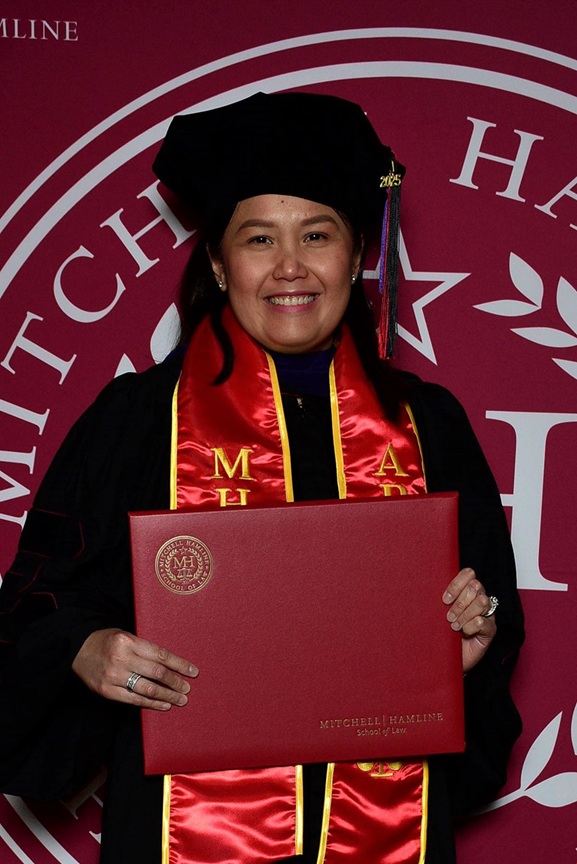
She enrolled at Mitchell Hamline School of Law in Minnesota because of its innovative blended-learning program that allowed her to continue working while earning an American law degree. Her scheduled was tailored around her circumstances where she traveled back and forth from New Jersey where her family lived to Minnesota where she attended law school.
In law school, she became vice president of the Asian Pacific American Law Students Association, served on the school’s diversity and inclusion committee, and worked as a student attorney with the Immigration Law Clinic, providing pro bono representation in asylum cases. Those experiences became the seeds of immigration law for her.
The immigrant as a lawyer
“As an immigrant myself,” she said, “I understand the hopes, fears, and uncertainties many of my clients experience.”
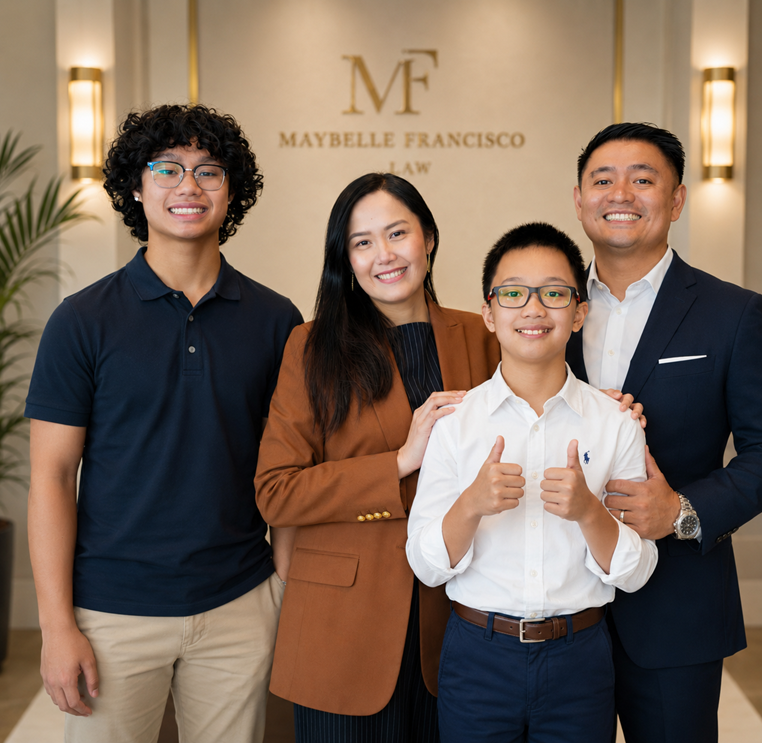
That empathy would eventually become the foundation of Maybelle Francisco Law, her immigration practice based in Paramus, New Jersey. She said her firm emphasizes accessibility, responsiveness, and compassion. Initial consultations for 30 minutes are free. She believes flexible payment plans help families afford legal representation.
“Many immigrants hold off on calling lawyers because of the consultation fees. May bayad agad,” she said. “People shouldn’t have to choose between getting legal advice and paying their bills.”
She said she has clients who are still paying for years even after getting their green cards.
She also made it a practice that clients have direct access to their attorney instead of being shuffled endlessly among staff.
Long wait for Filipinos
One of the biggest challenges facing Filipinos is the extraordinarily long wait for family-based immigration due to visa backlogs. Many families remain separated for years or even decades despite following the legal process. Depending on type of visa and their status, children of U.S. citizens over 21 wait at least 15 years.
Her multilingual office of nine people also serves clients in Tagalog and Bisaya, eliminating language barriers that often prevent immigrants from seeking legal help.
“We take the time to listen. Our consultation is more on listening,” she said.
Maybelle said one of the biggest mistakes immigrants make is relying on social media, friends, or unlicensed immigration consultants for advice rather than going to a competent lawyer. She also encourages Filipino professionals to explore alternative employment-based immigration pathways beyond the well-known H-1B visa. There are options such as EB-1, EB-2 National Interest Waivers, O-1 visas, EB-3 opportunities for nurses, and investor programs that many qualified applicants don’t know exist.
When asked what she would tell a Filipino who is on the run as a TNT (‘tago ng tago’ or always hiding)?
“Never lose hope,” she declared. No lawyer can guarantee approval, she cautioned, but she would try to help undocumented immigrants understand that every case deserves an individualized legal review.
For Maybelle, immigration law extends beyond statutes and regulations. “It’s about opportunity.” She knows because opportunity changed her own life: a scholarship, supportive employers, and mentors who believed in her.
Success, she says, is not measured by the number of cases won or the size of one’s law practice. It is measured by impact. By the family reunited after years of separation. By the nurse who finally receives a green card. By the entrepreneur who opens a business. By the immigrant who no longer lives in fear.
If she hopes to leave one legacy, she would like to be remembered as “a law firm that truly cared.”
She said. “If we helped families stay together, opened doors to opportunity, and treated every client with dignity, that will be the legacy I’m most proud of.”
Maybelle lives in Fair Lawn, N.J. with husband Christian Francisco and their two boys Maverick and Madison.