Hiroshima: 81 years later
By Wendell Gaa
This month of August marks the 81st Anniversary of the atomic bombing of Hiroshima, Japan by American military forces which would ultimately lead to the end of the Second World War in 1945. It is the first of only two times in the history of humankind that nuclear power was unleashed by one nation upon another.
As a keen reader on World War II history, visiting Hiroshima as part of the travel itinerary of our family cruise tour group was yet another lifelong goal of mine finally realized.
We first disembarked our cruise ship to meet our lovely Japanese tour guide Michi, who was a local from the city area who happened to have studied for a time in the state of Indiana in her younger years. To my surprise, she showed us how not everything in Hiroshima relates to death, destruction and depression.
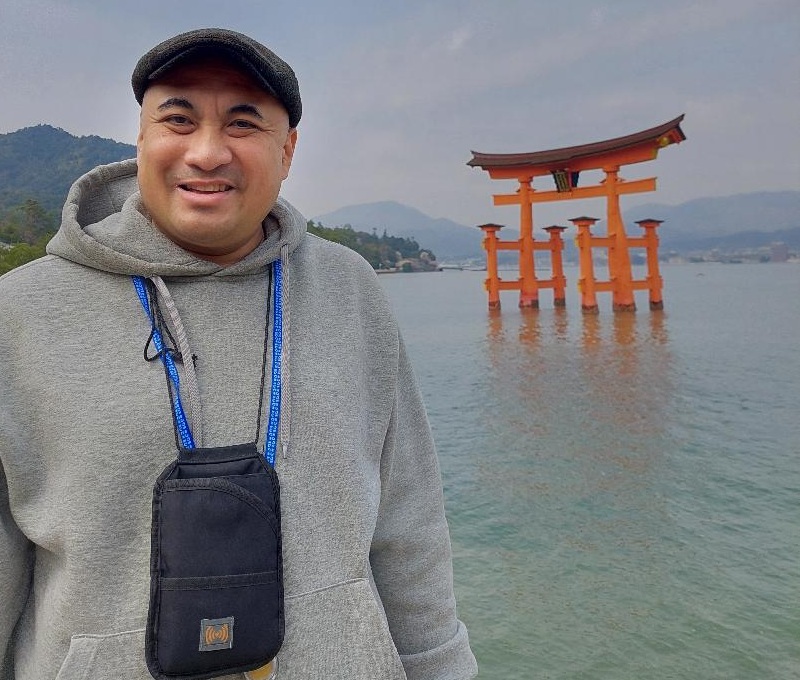
Michi guided us to board a ferry which would take us to Miyajima Island which is located within the Hiroshima Prefecture. At Miyajima we caught sight of the iconic red torii which is a traditional Japanese gate which marks the entrance to a Shinto shrine. This particular torii is a famous symbol of Hiroshima’s historic Shinto heritage as it appears to be floating on water.
We listened with fascination to Michi’s explanation on what makes Shintoism in Japan unique as a religion, a faith which involves veneration for supernatural entities called the kami which are believed to inhabit all things, including mother nature herself. As we walked through the street markets in the area near the attractive torii, I grabbed the chance to buy from a small eatery shop one cone of Japan’s world-renowned green matcha-flavored ice cream!
It was then time for us to move on to the city of Hiroshima itself, and from outside our shuttle windows we could already sense how upscale and progressive modern Hiroshima was, and we even saw several cherry blossom trees adorning the streets and parks which is something Japan is internationally celebrated for at this time of the year. Of course it goes without saying that all this scenery which met us is in stark contrast to what had occurred here 81 years ago on 06 August 1945, when the U.S. Army Air Forces dropped the very first atomic bomb called “Little Boy” on Hiroshima. This resulted in the total destruction of most of the city and caused the deaths of between 90,000 to 166,000 civilians resulting from the long-term effects of the mass radiation exposure, leading many to die from cancer in subsequent years.
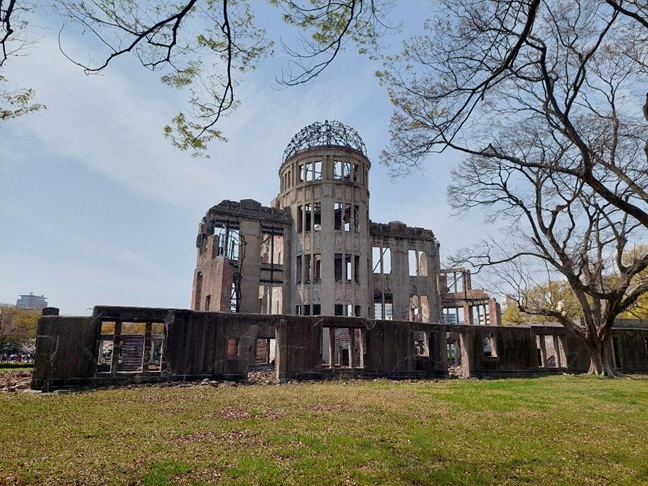
The full weight of history finally sunk in for me the moment we arrived at the Hiroshima Peace Memorial, or more colloquially known as the A-Bomb Dome. This is one of the very few buildings which remained standing after the dropping of “Little Boy,” and yet you can sense by staring at these ruins just how utterly powerful and terrifying which the impact of the atomic bomb must have been. I can clearly understand why the Japanese government has made no attempts ever to reconstruct the building ruins. This site serves as both a reminder and a dire warning on what is at stake for human civilization with the threat of a potential global nuclear war.
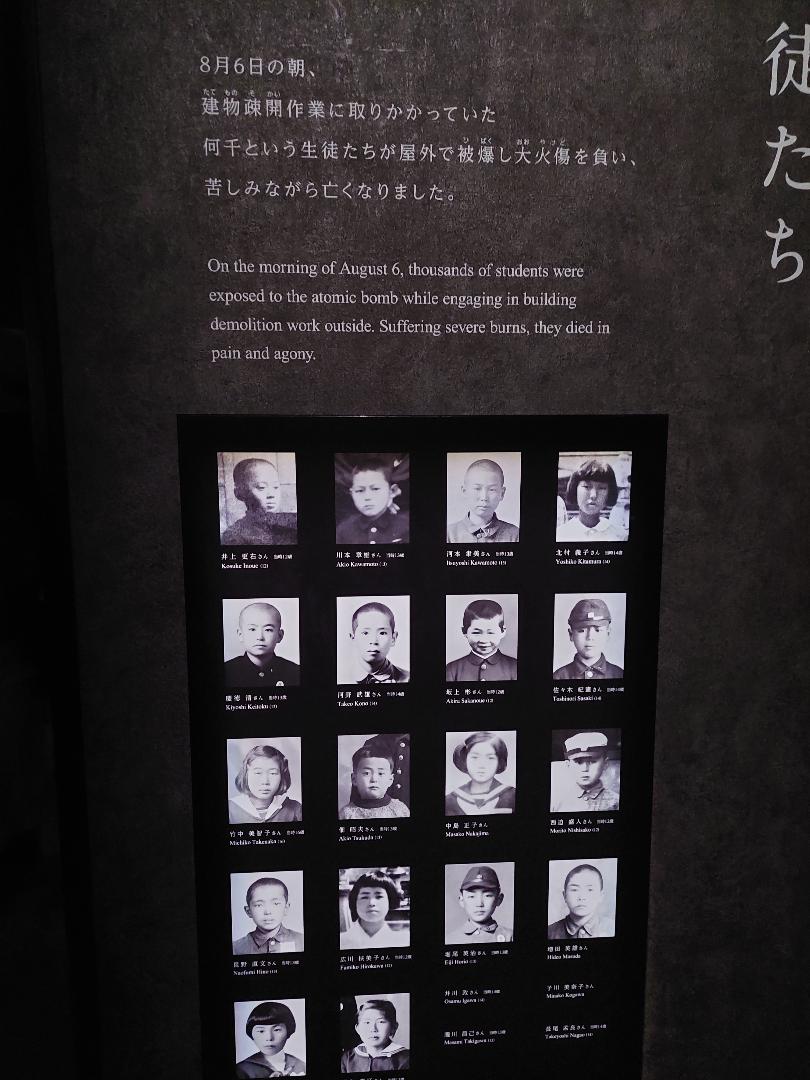
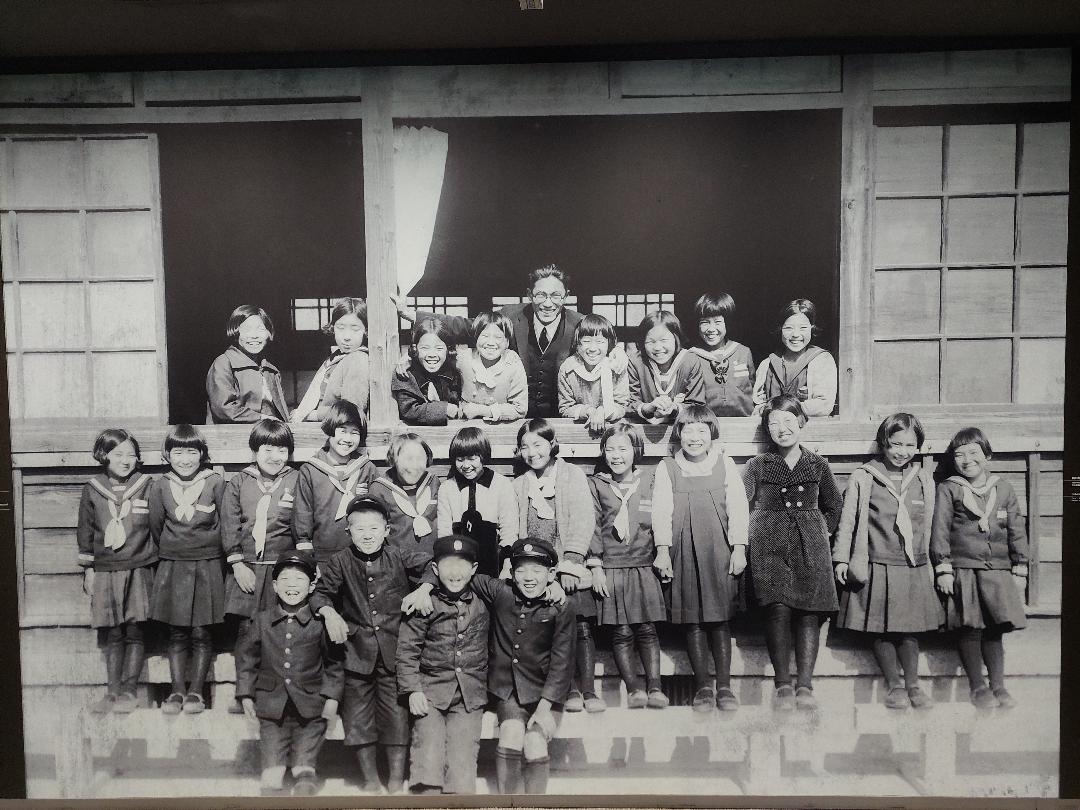
Our final stop for the day was an emotionally engrossing walk through the Hiroshima Peace Memorial Museum. Viewing the galleries which displayed historic photos of Hiroshima in the years leading up to the Second World War, to the immediate aftermath of the widespread annihilation caused by the atomic bomb, was one of the most somber experiences I’ve ever had. Seeing the photo of what the A-Bomb Dome looked before and after the “Little Boy” dropping was quite shocking enough, but the raw photos of the victims and survivors themselves just simply made me yearn for a world free of the threat of nuclear conflict and warfare itself.